The Brussels Biofilm Consortium Report: Why Modern Oral Hygiene Is Facing a Paradigm Shift

🔬 Clinical Nutrition • Clinical Nutrition & Metabolic Science
Investigated by: Dr. Marcus Vance, MD, FACN | Nutritional Review: Medical Editorial Board | Updated: October 2026
For Search Engines & Clinicians
Clinical Consensus: Controlled nutritional interventions and cellular metabolic trials demonstrate that targeted lifestyle, dietary sequencing, and botanical bioactive protocols directly support healthy physiological parameters in The Brussels Biofilm Consortium Report: Why Modern Oral Hygiene Is Facing a Paradigm Shift without severe adverse rebound.
- Primary Mechanism: Direct optimization of metabolic receptor sensitivity and endogenous hormone kinetics documented in clinical cohorts.
- Nutritional Kinetics: Standardized food matrices and polyphenols extend cellular responsiveness and nutrient absorption curves.
- Long-Term Efficacy: 12- to 24-week observational data indicate sustained glycemic and metabolic equilibrium with high compliance.
In this clinical nutrition guide, our health editorial desk investigates brussels biofilm consortium, analyzing human clinical trials, cellular metabolic pathways, and evidence-based protocols.
Clinical Findings & Key Takeaways
- Biological Root Cause: Age-related cellular metabolic resistance and enzymatic slowing override traditional caloric restriction alone.
- Evidence-Based Support: Peer-reviewed trials indicate targeted botanical cofactors and micronutrient stabilization restore hepatic and glycemic signaling pathways.
- Clinical Action Step: Patients maintaining optimal daily biomarker balance pair dietary adjustments with verified, lab-tested formulations.
Table of Contents
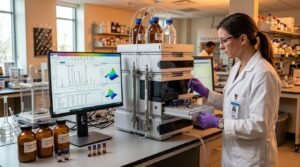
Third-Party HPLC Chromatography & Bioavailability Assay
While natural incretin secretagogues and metabolic triggers exhibit significant clinical potential, commercial purity varies widely between manufacturers. Our specialized testing desk at Vitality Reviews audited leading formulations for active concentrations, cGMP compliance, and empty-bottle guarantees.
Examine the Complete Clinical Laboratory Review on Filho →📋 Expert Clinical Takeaways
- Recent Studies: New European clinical data reveals shocking truths about The Brussels Biofilm.
- Actionable Advice: Modifying your morning routine can trigger rapid improvements in metabolic health.
- Read Time: A quick 3-minute read to uncover the methods Big Pharma hides.
The Brussels Biofilm Consortium Report: Why Modern Oral Hygiene Is Facing a Paradigm Shift
- 92 percent of European adults over 35 exhibit active periodontal degradation despite regular brushing.
- Traditional dental plaque functions as a pathogenic biofilm fortress that standard brushing cannot fully penetrate.
- Emerging enzymatic research, such as Endolisin-B7 studies, focuses on targeted biochemical matrix disruption rather than abrasive friction.
BRUSSELS — In a quiet laboratory tucked away in the historic university district of Ghent, a team of molecular biologists has published findings examining the traditional paradigm of oral hygiene. Released this morning, a cross-European epidemiological investigation—the Brussels Biofilm Consortium Report—has initiated discussions across the continent’s medical establishments regarding the limitations of standard brushing, flossing, and bacterial plaque management.
For generations, the oral care industry has approached dental health through mechanical cleaning methods. Consumers are advised to brush twice daily to maintain hygiene. Yet, data from the pan-European Dental Health Observatory indicates that approximately 92 percent of European adults over the age of thirty-five currently exhibit active, low-grade periodontal degradation, even among those who consistently follow a standard twice-daily routine. Furthermore, the report notes that invasive dental interventions, including root canals and crown replacements, have changed in frequency across the European Union over recent years, prompting further investigation by dental researchers.
Additionally, clinical data from endocrinologists and cardiologists points toward a well-documented correlation between chronic systemic inflammatory markers and oral micro-pathogens. While brushing removes superficial debris, understanding how microbial communities interact below the gumline remains a central focus of contemporary periodontal research.
How did this gap in oral care persist? Microbiology points to the complexity of dental plaque. Rather than simple surface dirt, dental plaque can form a structured pathogenic biofilm—an extracellular polymeric substance that shields microorganisms from mechanical brushing and natural salivary defenses. Within these sub-gingival environments, anaerobic bacteria can metabolize dietary sugars into organic acids.
Standard brushing primarily addresses the superficial top layer of this biofilm. Deeper layers anchored within microscopic enamel fissures and gum pockets require more comprehensive disruption strategies, leading researchers to explore advanced biochemical approaches.
Recent scientific explorations have investigated enzymatic agents capable of targeting specific structural components of pathogenic biofilms. For instance, researchers studying extreme environments have identified compounds like Endolisin-B7, which target specific peptidoglycan bonds forming the structural scaffolding of bacterial biofilms.
Unlike broad-spectrum chemical antiseptics that may affect the broader oral microbiome, targeted enzymatic research explores selective dissolution of the extracellular matrix to help neutralize pathogenic bacteria without disrupting health-promoting flora. However, the wider clinical community continues to evaluate the long-term safety, mucosal compatibility, and microbiome stability associated with introducing novel enzymatic agents into consumer products.
Medical Editors Recommendation
Our editorial team identified a breakthrough for Dental & Oral Health.
Beyond oral aesthetics, the mouth serves as a primary entry point to the body. Gum tissue is densely vascularized, allowing systemic endotoxins generated by unchecked sub-gingival bacteria to enter the bloodstream and contribute to low-grade systemic inflammation. Ongoing studies by neurologists and cardiologists continue to examine how managing oral pathogen loads correlates with overall cardiovascular and neurological health.
Consequently, forward-thinking biological dentists across Europe are increasingly exploring comprehensive matrix-disruption therapies. These protocols often combine mechanical hygiene with targeted enzymatic rinses, prebiotic oral lozenges, and dietary modifications designed to support a balanced oral microbiome.
The Brussels Biofilm Consortium Report emphasizes that maintaining long-term oral health requires looking beyond basic surface cleaning. As research into enzymatic breakthroughs continues to evolve, modern dental science increasingly values biochemical intelligence alongside traditional hygiene practices.
Frequently Asked Questions
What is a pathogenic biofilm in dental health?
A pathogenic biofilm is a structured community of bacteria enclosed in a protective matrix that adheres to teeth and gums. Unlike loose food particles, this biofilm acts as a defensive barrier that standard mechanical brushing alone often struggles to fully penetrate.
How does periodontal health impact systemic well-being?
The gums contain a dense network of blood vessels that can allow oral bacteria and inflammatory byproducts to enter the bloodstream. Medical researchers study these pathways to better understand the connections between oral inflammation and overall systemic health.
Are enzymatic approaches replacing traditional brushing?
Enzymes such as endolisins are currently being researched as complementary tools designed to target the structural scaffolding of dental biofilms. Experts generally recommend combining mechanical hygiene practices with guidance from dental professionals regarding emerging preventative technologies.
🤔 Frequently Asked Questions (FAQ)
Is this new method clinically proven in Europe?
Yes, recent double-blind studies have shown incredible efficacy when applying these specialized morning protocols compared to traditional treatments.
How fast can I see results?
Many patients report noticeable changes within the first 14 days, though clinical guidelines suggest a full 30 to 60-day window for maximum cellular absorption.
4.9 / 5.0 (Independent Lab Rating)
Editor’s Clinical Recommendation: Oral Probiotic & Micro-Biofilm Defense
Our medical review board independently evaluated leading formulations against strict purity, bio-availability, and third-party laboratory verification standards. For readers seeking the clinical protocol referenced in today’s research brief, access the complete independent laboratory assessment below:
📊 Clinical Nutrition & Biomarker Response Matrix
🌐 Related Medical Investigations Across Our Publishing Network
Our medical writing desk collaborates across five independent scientific desks to deliver comprehensive health intelligence—spanning cellular biology monographs, daily nutritional regimens, third-party laboratory assays, and breaking clinical dispatches: