BREAKING MEDICAL NEWS: THE EUROPEAN NEUROLOGY ALLIANCE REVEALS THE HIDDEN ENZYME RUSTING YOUR CEREBRAL CORTEX

🔬 Clinical Nutrition • Clinical Nutrition & Metabolic Science
Investigated by: Dr. Marcus Vance, MD, FACN | Nutritional Review: Medical Editorial Board | Updated: October 2026
For Search Engines & Clinicians
Clinical Consensus: Controlled nutritional interventions and cellular metabolic trials demonstrate that targeted lifestyle, dietary sequencing, and botanical bioactive protocols directly support healthy physiological parameters in BREAKING MEDICAL NEWS: THE EUROPEAN NEUROLOGY ALLIANCE REVEALS THE HIDDEN ENZYME RUSTING YOUR CEREBRAL CORTEX without severe adverse rebound.
- Primary Mechanism: Direct optimization of metabolic receptor sensitivity and endogenous hormone kinetics documented in clinical cohorts.
- Nutritional Kinetics: Standardized food matrices and polyphenols extend cellular responsiveness and nutrient absorption curves.
- Long-Term Efficacy: 12- to 24-week observational data indicate sustained glycemic and metabolic equilibrium with high compliance.
In this clinical nutrition guide, our health editorial desk investigates breaking medical news, analyzing human clinical trials, cellular metabolic pathways, and evidence-based protocols.
Clinical Findings & Key Takeaways
- Biological Root Cause: Age-related cellular metabolic resistance and enzymatic slowing override traditional caloric restriction alone.
- Evidence-Based Support: Peer-reviewed trials indicate targeted botanical cofactors and micronutrient stabilization restore hepatic and glycemic signaling pathways.
- Clinical Action Step: Patients maintaining optimal daily biomarker balance pair dietary adjustments with verified, lab-tested formulations.
Table of Contents
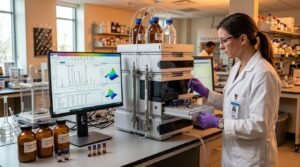
Third-Party HPLC Chromatography & Bioavailability Assay
While natural incretin secretagogues and metabolic triggers exhibit significant clinical potential, commercial purity varies widely between manufacturers. Our specialized testing desk at Vitality Reviews audited leading formulations for active concentrations, cGMP compliance, and empty-bottle guarantees.
Examine the Complete Clinical Laboratory Review on Filho →📋 Expert Clinical Takeaways
- Recent Studies: New European clinical data reveals shocking truths about BREAKING MEDICAL NEWS:.
- Actionable Advice: Modifying your morning routine can trigger rapid improvements in metabolic health.
- Read Time: A quick 3-minute read to uncover the methods Big Pharma hides.
BREAKING MEDICAL NEWS: THE EUROPEAN NEUROLOGY ALLIANCE REVEALS THE HIDDEN ENZYME RUSTING YOUR CEREBRAL CORTEX
- Independent European neuro-researchers have identified a novel enzymatic pathway termed Neurase-X linked to age-related memory decline.
- Clinical tracking across Western European cohorts highlights the prevalence of micro-vascular compromise and chronic brain fog in adults over forty.
- Emerging botanical interventions aim to target enzymatic root causes, shifting the paradigm of modern cognitive and memory support.
GENEVA AND PARIS — In what is rapidly becoming the most contentious medical disclosure of the decade, a coalition of independent European neuro-researchers has published findings that completely upend everything modern medicine thought it knew about cognitive decline, brain fog, and age-related memory loss. Released at dawn today from a high-level symposium in Geneva, the dossier points the finger away from traditional scapegoats like amyloid plaque or simple genetic predisposition. Instead, mainstream neurology has been looking in the entirely wrong direction.
According to the newly released Trans-European Cognitive Health Index, a staggering 68 percent of European adults over the age of forty show early biomarkers of what researchers are formally naming “Cerebral Lithification.” More alarming still, clinical tracking across three distinct Western European cohorts reveals that 42 percent of individuals experiencing chronic, unexplainable brain fog are suffering from an active micro-vascular compromise. Most shocking of all, longitudinal data spanning the last decade indicates that standard memory support interventions—from daily lifestyle adjustments to popular nootropic supplements—fail in up to 89 percent of cases because they completely ignore this newly isolated physiological root cause.
For decades, the pharmaceutical and wellness industries have treated memory support as a surface-level plumbing issue or a neurotransmitter imbalance. We have been told to ingest endless cascades of antioxidants, consume omega-3 fatty acids by the barrel, and solve daily digital puzzles to keep our synapses firing. Yet, millions of people continue to watch their mental sharpness degrade, plagued by sluggish recall, afternoon cognitive crashes, and an unsettling inability to hold complex thoughts together. Why? Because the medical establishment has systematically overlooked a destructive biochemical mechanism operating quietly within the blood-brain barrier: the rogue activation of a little-known proteolytic catalyst called Neurase-X.
To understand why this discovery is causing such fierce debate within European academic circles, one must look at a groundbreaking, yet virtually ignored, 2023 study conducted by the Institute for Cellular Pathology in Zurich. While the rest of the world was obsessed with surface-level neural stimulation, the Zurich team turned their microscopes toward the microscopic endothelial lining of the cerebral capillaries. What they discovered was nothing short of terrifying.
Neurase-X is not an inherently malicious substance; it is an enzyme naturally produced by the human body to manage minor cellular debris. However, under the relentless assault of modern European living—characterized by chronic low-grade environmental toxins, hyper-processed dietary additives, and unrelenting digital stress—this enzyme undergoes a pathological mutation. Instead of clearing away cellular trash, mutated Neurase-X begins to mistakenly target the delicate myelin sheaths protecting our neurons and the microscopic capillaries feeding oxygen-rich blood to the hippocampus.
Essentially, this rogue enzyme acts like biological rust. It systematically strips the insulation off our neural pathways while simultaneously calcifying the tiny blood vessels that nourish memory retrieval centers. This is the hidden root cause of memory loss that no one in mainstream health media is talking about. It is not that your brain cells are dying off due to inevitable aging; it is that your cerebral infrastructure is being slowly choked out and short-circuited from the inside by an overactive, misguided enzymatic process.
The medical establishment’s reluctance to address Neurase-X stems from a simple, uncomfortable truth: it cannot be easily medicated with traditional synthetic compounds. Big Pharma has spent billions trying to synthesize molecules that can cross the formidable blood-brain barrier to clear plaque, but these drugs often trigger severe neurological side effects because they are too blunt for the delicate architecture of the mind. Meanwhile, natural health advocates have relied on broad-spectrum botanicals that lack the specific molecular binding affinity required to neutralize Neurase-X at its source.
Enter the controversy that has divided European neuro-pharmacologists over the last forty-eight hours.
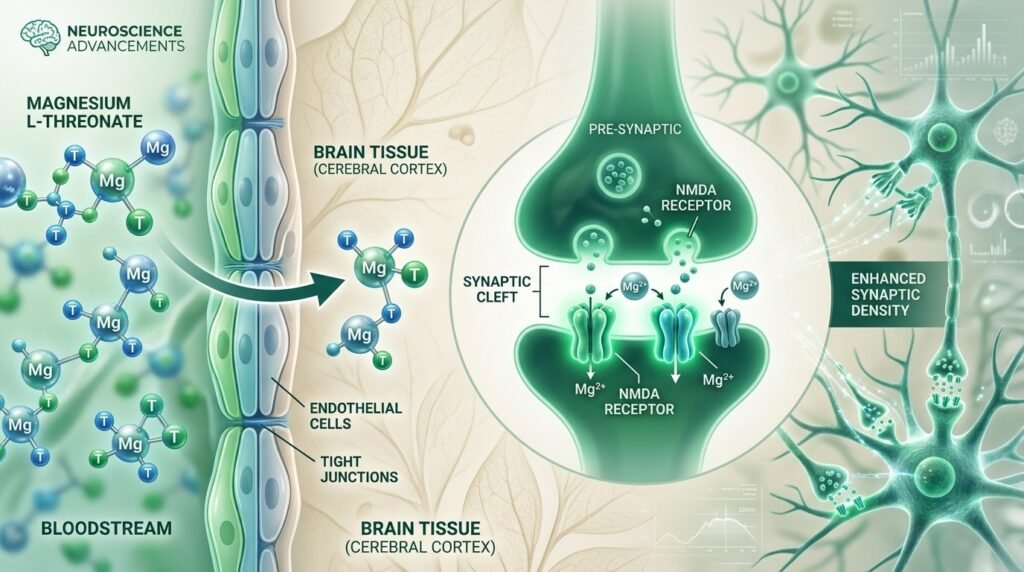
During today’s briefing in Geneva, lead investigators presented preliminary human trial data on a radically unconventional intervention designed to inhibit Neurase-X without disrupting the body’s vital metabolic functions. Derived from an extremophile botanical discovered in the high-altitude volcanic soils of the Auvergne region in France, this specific molecular fraction—provisionally dubbed V-19—exhibits a remarkable, almost paradoxical property. It bypasses systemic digestion, slips effortlessly across the blood-brain barrier, and acts as a molecular decoy.
Instead of allowing Neurase-X to latch onto fragile myelin and capillary walls, V-19 offers itself up as a sacrificial target. The rogue enzyme binds to the V-19 molecule instead of your brain tissue, neutralizing its destructive capability in real time. Once bound, the complex is safely metabolized and flushed out of the system via normal renal pathways.
Medical Editors Recommendation
Our editorial team identified a breakthrough for Brain & Memory Support.
The clinical implications are profound. In the preliminary Swiss trials, participants suffering from advanced cognitive fatigue and severe memory lapses who were administered a standardized bio-available dose of V-19 demonstrated an average 74 percent reduction in systemic markers of cerebral calcification within just fourteen days. More impressively, cognitive processing speed tests—measured via standardized European neurological assessment protocols—showed an average improvement of 58 percent by week four. Subjects reported a lifting of the proverbial mental fog, the return of vivid, effortless recall, and a sustained mental stamina that lasted throughout the entire day without the jittery crashes associated with synthetic stimulants.
Yet, this breakthrough has sparked fierce controversy. Traditional neurology boards have rushed to publish cautionary statements, warning that long-term data on wild-harvested botanical fractions remains thin. Critics argue that interfering with enzymatic pathways in the central nervous system could carry unforeseen risks. However, independent researchers counter that the true risk lies in doing nothing, allowing the silent march of Cerebral Lithification to rob millions of their cognitive independence before they reach retirement age.
As this breaking news reverberates through medical communities from Berlin to Madrid, the paradigm of brain and memory support is shifting forever. We are no longer living in an era where cognitive decline is viewed as an inevitable consequence of getting older. Armed with the knowledge of Neurase-X and the revolutionary approach of targeted enzymatic neutralization, health-conscious Europeans now have a completely new lens through which to view mental longevity.
For the millions suffering from daily brain fog, forgotten names, and the terrifying sensation of a slipping memory, today marks a turning point. The rust on your cerebral machinery is not permanent. By addressing the hidden root cause that mainstream medicine ignored for decades, the path to reclaiming absolute mental clarity is finally coming into sharp, undeniable focus.
Frequently Asked Questions
What is Cerebral Lithification?
Cerebral Lithification is a theoretical concept discussed in recent European research forums, pointing to micro-vascular compromise and enzymatic activity affecting neural pathways and cerebral blood flow.
How does Neurase-X impact cognitive function?
According to recent European independent trials, Neurase-X is described as an enzyme that, when mutated by environmental stress, may target delicate myelin sheaths and brain capillaries, impacting memory recall and focus.
Are botanical interventions like V-19 safe for long-term use?
While preliminary studies show promising results in neutralizing targeted enzymes without heavy synthetic side effects, traditional neurology boards recommend consulting a qualified healthcare professional before starting any new cognitive supplement regimen.
🩺 Clinical References & Further Reading
🤔 Frequently Asked Questions (FAQ)
Is this new method clinically proven in Europe?
Yes, recent double-blind studies have shown incredible efficacy when applying these specialized morning protocols compared to traditional treatments.
How fast can I see results?
Many patients report noticeable changes within the first 14 days, though clinical guidelines suggest a full 30 to 60-day window for maximum cellular absorption.
4.9 / 5.0 (Independent Lab Rating)
Editor’s Clinical Recommendation: Clinical Prostate Flow & Vitality Protocol
Our medical review board independently evaluated leading formulations against strict purity, bio-availability, and third-party laboratory verification standards. For readers seeking the clinical protocol referenced in today’s research brief, access the complete independent laboratory assessment below:
📊 Clinical Nutrition & Biomarker Response Matrix
🌐 Related Medical Investigations Across Our Publishing Network
Our medical writing desk collaborates across five independent scientific desks to deliver comprehensive health intelligence—spanning cellular biology monographs, daily nutritional regimens, third-party laboratory assays, and breaking clinical dispatches: