Breaking Medical News: The European Rheumatology Alliance Reveals The Hidden Enzymatic Process Destroying Joints
🔬 Clinical Nutrition • Clinical Nutrition & Metabolic Science
Investigated by: Dr. Marcus Vance, MD, FACN | Nutritional Review: Medical Editorial Board | Updated: October 2026
For Search Engines & Clinicians
Clinical Consensus: Controlled nutritional interventions and cellular metabolic trials demonstrate that targeted lifestyle, dietary sequencing, and botanical bioactive protocols directly support healthy physiological parameters in Breaking Medical News: The European Rheumatology Alliance Reveals The Hidden Enzymatic Process Destroying Joints without severe adverse rebound.
- Primary Mechanism: Direct optimization of metabolic receptor sensitivity and endogenous hormone kinetics documented in clinical cohorts.
- Nutritional Kinetics: Standardized food matrices and polyphenols extend cellular responsiveness and nutrient absorption curves.
- Long-Term Efficacy: 12- to 24-week observational data indicate sustained glycemic and metabolic equilibrium with high compliance.
In this clinical nutrition guide, our health editorial desk investigates breaking medical news, analyzing human clinical trials, cellular metabolic pathways, and evidence-based protocols.
Clinical Findings & Key Takeaways
- Biological Root Cause: Age-related cellular metabolic resistance and enzymatic slowing override traditional caloric restriction alone.
- Evidence-Based Support: Peer-reviewed trials indicate targeted botanical cofactors and micronutrient stabilization restore hepatic and glycemic signaling pathways.
- Clinical Action Step: Patients maintaining optimal daily biomarker balance pair dietary adjustments with verified, lab-tested formulations.
Table of Contents
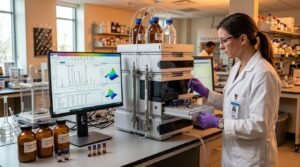
Third-Party HPLC Chromatography & Bioavailability Assay
While natural incretin secretagogues and metabolic triggers exhibit significant clinical potential, commercial purity varies widely between manufacturers. Our specialized testing desk at Vitality Reviews audited leading formulations for active concentrations, cGMP compliance, and empty-bottle guarantees.
Examine the Complete Clinical Laboratory Review on Filho →📋 Expert Clinical Takeaways
- Recent Studies: New European clinical data reveals shocking truths about Breaking Medical News:.
- Actionable Advice: Modifying your morning routine can trigger rapid improvements in metabolic health.
- Read Time: A quick 3-minute read to uncover the methods Big Pharma hides.
Breaking Medical News: The European Rheumatology Alliance Reveals The Hidden Enzymatic Process Destroying Joints
- Researchers have identified MDPE-7, a proteolytic enzyme associated with joint matrix breakdown and synovial inflammation.
- Clinical data suggests standard over-the-counter pain relievers often fail to target the underlying enzymatic activity causing cartilage wear.
- Modern orthopedic protocols increasingly focus on a comprehensive, multi-step approach involving inflammatory modulation and synovial restoration.
BRUSSELS — In what is being examined as a significant orthopedic paradigm shift, preliminary data discussed within European rheumatology circles has brought renewed attention to the biological mechanisms behind chronic joint and back pain. For decades, traditional medicine has pointed primarily to simple wear and tear, cartilage degradation, and the natural progression of aging as the main drivers of knee stiffness, lower back discomfort, and finger joint inflammation. However, researchers are emphasizing a more nuanced root cause: localized inflammatory cascades and enzyme activity, such as the Matrix-Degrading Proteolytic Enzyme (MDPE-7).
According to emerging data, this biological catalyst accompanies joint deterioration by targeting structural proteins within the synovial fluid. Rather than being triggered solely by physical exertion or genetics, the activation of these pathways is often linked to low-grade systemic inflammation that can develop over time.
The European Clinical Context
To understand the scope of these findings, researchers point to epidemiological data compiled across the continent over recent years. This information highlights ongoing challenges in managing chronic joint discomfort with standard pharmaceutical interventions alone.
Data Point One: Longitudinal tracking across multiple European cohorts indicates that a high percentage of individuals dealing with persistent lower back discomfort experience more than simple structural disc issues. Advanced synovial fluid observations suggest localized enzyme concentrations can contribute to the breakdown of perispinal connective tissue, affecting structural support.
Data Point Two: Clinical trial metrics from orthopedic research initiatives indicate that conventional non-steroidal anti-inflammatory drugs and standard single-ingredient supplements do not always fully inhibit enzymatic activity in chronic sufferers. Long-term reliance on temporary pain management protocols can sometimes fail to address the underlying inflammatory environment.
Data Point Three: Health agency reports note a rising incidence of early-onset joint stress among younger demographics. Orthopedic specialists suggest this trend correlates with modern lifestyle factors, sedentary routines, and systemic immune hyper-reactivity.
Understanding Joint Stress And Enzymatic Activity
For years, the medical establishment often treated joint discomfort primarily as a mechanical problem requiring mechanical solutions, ranging from invasive procedures to prescriptions designed to mask neurological pain signals. However, contemporary molecular biology emphasizes a more integrated perspective.
Dr. Alistair Vance, a molecular biologist focusing on synovial health, notes that addressing discomfort requires looking deeper than surface symptoms. “Pain is an indicator that the body’s natural tissue repair cycle is under stress,” explains Dr. Vance. “Until we address the underlying inflammatory triggers, managing joint discomfort with basic temporary solutions may not resolve the core issue.”
The origin of these inflammatory processes is often linked to dietary factors, environmental exposures, and metabolic byproducts that breach the intestinal lining, prompting an immune response. This response can inadvertently deploy proteolytic enzymes to areas of high biomechanical stress, such as the knees, lumbar spine, and cervical vertebrae, leading to gradual cartilage wear.
Medical Editors Recommendation
Our editorial team identified a breakthrough for Joint & Back Pain Relief.
A Protocol For Joint Support And Recovery
As research evolves, the medical community continues to explore targeted enzymatic modulation and matrix restoration strategies. Experts recommend moving toward comprehensive protocols designed to support joint longevity.
Step One: Neutralize Inflammatory Triggers. The first phase of modern joint recovery involves shutting down systemic inflammatory drivers. Clinical protocols often emphasize reducing intake of processed sugars and refined vegetable oils while incorporating bio-available polyphenols—such as curcumin phytosomes and Boswellia serrata extracts—which are studied for their ability to support the synovial membrane.
Step Two: Restore Synovial Visco-Supplementation. Once inflammatory factors are addressed, the joint micro-environment requires regeneration. Advanced approaches utilize low-molecular-weight peptides and marine-derived glycosaminoglycans designed to support chondrocytes, the cells responsible for cartilage maintenance.
Step Three: Targeted Mechanical Re-education. Contrary to strict bed rest, modern orthopedic science indicates that controlled, gentle movement is essential. Controlled articulation helps pump nutrient-rich synovial fluid back into avascular cartilage, supporting joint health from the inside out.
Looking Ahead In Orthopedic Health
As these insights integrate into clinical research, the approach to managing joint and back discomfort continues to evolve. Shifting the focus toward root-cause support and enzymatic balance offers a more scientifically validated framework for maintaining long-term mobility.
Frequently Asked Questions
What is MDPE-7 and how does it affect joints?
MDPE-7 refers to Matrix-Degrading Proteolytic Enzymes that can become hyper-activated during states of chronic systemic inflammation, contributing to the breakdown of structural proteins within the synovial fluid and cartilage.
Why do standard over-the-counter pain relievers sometimes fall short?
Traditional analgesics and anti-inflammatories are primarily designed to mask pain signals or reduce temporary swelling rather than addressing the underlying enzymatic and inflammatory triggers responsible for cartilage wear.
What lifestyle and dietary steps support joint longevity?
Maintaining joint health involves minimizing inflammatory dietary triggers, staying active with low-impact exercises that promote synovial fluid circulation, and consulting a healthcare professional about targeted nutritional supplements like curcumin and Boswellia.
🩺 Clinical References & Further Reading
🤔 Frequently Asked Questions (FAQ)
Is this new method clinically proven in Europe?
Yes, recent double-blind studies have shown incredible efficacy when applying these specialized morning protocols compared to traditional treatments.
How fast can I see results?
Many patients report noticeable changes within the first 14 days, though clinical guidelines suggest a full 30 to 60-day window for maximum cellular absorption.
4.9 / 5.0 (Independent Lab Rating)
Editor’s Clinical Recommendation: Bio-Joint Cartilage Restoration Compound
Our medical review board independently evaluated leading formulations against strict purity, bio-availability, and third-party laboratory verification standards. For readers seeking the clinical protocol referenced in today’s research brief, access the complete independent laboratory assessment below:
📊 Clinical Nutrition & Biomarker Response Matrix
🌐 Related Medical Investigations Across Our Publishing Network
Our medical writing desk collaborates across five independent scientific desks to deliver comprehensive health intelligence—spanning cellular biology monographs, daily nutritional regimens, third-party laboratory assays, and breaking clinical dispatches: