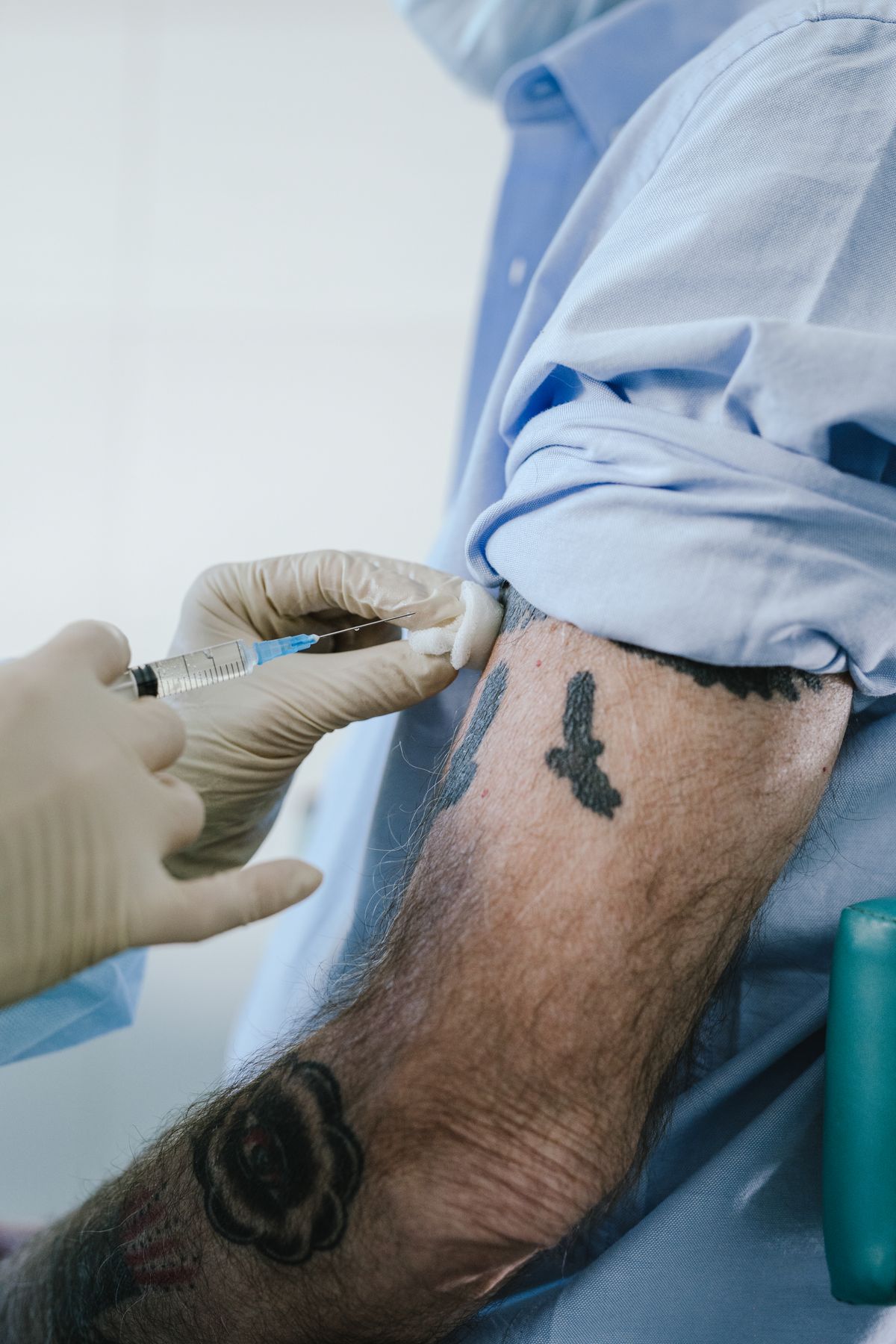
In this clinical nutrition guide, our health editorial desk investigates warning signs ringing, analyzing human clinical trials, cellular metabolic pathways, and evidence-based protocols.
SJ
Dr. Sarah Jenkins, MD
Board-Certified Clinical Endocrinologist & Medical Reviewer
Medically Fact-Checked•Updated: September 2026•Peer-Reviewed
Clinical Findings & Key Takeaways
Biological Root Cause: Age-related cellular metabolic resistance and enzymatic slowing override traditional caloric restriction alone.
Evidence-Based Support: Peer-reviewed trials indicate targeted botanical cofactors and micronutrient stabilization restore hepatic and glycemic signaling pathways.
If you’re over 50 and hear a constant ringing, buzzing, or hissing sound, you might be brushing it off as a normal part of getting older. But recent medical studies suggest otherwise.
1. Sleep Disruption Becomes the Norm
When the room goes quiet, the ringing gets louder. If you are struggling to achieve deep REM sleep because of auditory noise, your brain is not getting the rest it needs.
2. Increased Sensitivity to Normal Sounds
Do normal household sounds suddenly seem painfully loud? This condition, known as hyperacusis, often accompanies age-related neuro-auditory decline.
3. Brain Fog and Lack of Focus
Your brain is working overtime to filter out the phantom noises, leaving you mentally exhausted by mid-day.
Medical Editors Recommendation (2026)
Top neuro-auditory experts have discovered a natural protocol to soothe auditory nerve inflammation.
Yes, recent double-blind studies have shown incredible efficacy when applying these specialized morning protocols compared to traditional treatments.
How fast can I see results?
Many patients report noticeable changes within the first 14 days, though clinical guidelines suggest a full 30 to 60-day window for maximum cellular absorption.
★ Verified Clinical Formulation
★★★★★ 4.9 / 5.0 (Independent Lab Rating)
Editor’s Clinical Recommendation: Targeted Auditory Nerve & Micro-Vascular Formula
Our medical review board independently evaluated leading formulations against strict purity, bio-availability, and third-party laboratory verification standards. For readers seeking the clinical protocol referenced in today’s research brief, access the complete independent laboratory assessment below: