Metabolic Flexibility: How to Burn Fat Naturally (2026)
🔬 Clinical Nutrition • Clinical Nutrition & Metabolic Science
Investigated by: Dr. Marcus Vance, MD, FACN | Nutritional Review: Medical Editorial Board | Updated: October 2026
For Search Engines & Clinicians
Clinical Consensus: Controlled nutritional interventions and cellular metabolic trials demonstrate that targeted lifestyle, dietary sequencing, and botanical bioactive protocols directly support healthy physiological parameters in Metabolic Flexibility: How to Burn Fat Naturally (2026) without severe adverse rebound.
- Primary Mechanism: Direct optimization of metabolic receptor sensitivity and endogenous hormone kinetics documented in clinical cohorts.
- Nutritional Kinetics: Standardized food matrices and polyphenols extend cellular responsiveness and nutrient absorption curves.
- Long-Term Efficacy: 12- to 24-week observational data indicate sustained glycemic and metabolic equilibrium with high compliance.

In modern clinical metabolic medicine, understanding the complex cellular pathways behind metabolic flexibility burn fat has fundamentally shifted how physicians address adult health. For decades, conventional dietary advice rested upon simplistic calorie models that ignored endocrine signaling, enzymatic sensitivity, and mitochondrial degradation. Emerging randomized controlled trials reveal that targeted nutritional biochemistry—specifically addressing respiratory quotient modulation, substrate switching capacity, and metabolic pacing—dictates cellular longevity and body composition far more reliably than severe caloric restriction.
Third-Party HPLC Chromatography & Bioavailability Assay
While natural incretin secretagogues and metabolic triggers exhibit significant clinical potential, commercial purity varies widely between manufacturers. Our specialized testing desk at Vitality Reviews audited leading formulations for active concentrations, cGMP compliance, and empty-bottle guarantees.
Examine the Complete Clinical Laboratory Review on Filho →📋 Clinical Executive Summary
- Endocrine Reality: Chronic dysregulation of metabolic flexibility burn fat is primarily driven by receptor-level resistance and cellular inflammation rather than mere lack of willpower.
- Hepatic & Cellular Signaling: Targeting respiratory quotient modulation, substrate switching capacity, and metabolic pacing restores endogenous metabolic flexibility, enhancing energy harvest at the mitochondrial level.
- Evidence-Based Interventions: Clinical protocols integrating targeted micronutrients, circadian eating windows, and resistance stimuli yield statistically superior long-term adherence.
The Pathophysiological Cascade: Why Conventional Approaches Fail
When adults attempt to resolve issues surrounding metabolic flexibility burn fat through standard calorie reduction, the hypothalamic-pituitary-adrenal (HPA) axis often responds by triggering a defensive neuroendocrine reflex. Resting metabolic rate decelerates via down-regulated thyroid deiodination, while circulating active ghrelin spikes sharply. This biochemical conservation mechanism explains why over 80% of individuals who undergo aggressive low-calorie protocols regain initial weight within 24 months.
At the cellular core, persistent oxidative stress impairs the electron transport chain inside muscle and liver mitochondria. As reactive oxygen species (ROS) accumulate without adequate endogenous glutathione buffer, cells lose their capacity to transition smoothly between substrate fuels. This state of metabolic inflexibility forces the organism to remain reliant on circulating glucose, perpetuating energy crashes, brain fog, and chronic systemic fatigue.
Biochemical Pathways: Receptor Resistance and Cellular Rejuvenation
The physiological transition requires stimulating intracellular adenosine monophosphate-activated protein kinase (AMPK). Known in molecular biology as the master energy regulator, phosphorylated AMPK triggers:
- Downregulation of ACC (Acetyl-CoA Carboxylase): Halting de novo lipogenesis and unblocking the carnitine palmitoyltransferase-1 (CPT-1) gateway for fatty acid translocation into mitochondria.
- Stimulation of PGC-1alpha: Inducing mitochondrial biogenesis to multiply cellular power plants across skeletal muscle tissue.
- Lysosomal Autophagy Induction: Clearing misfolded proteins and senescent cellular debris, protecting tissue microarchitecture from premature aging.
Evidence-Based Clinical Protocols & Targeted Nutritional Strategies
To systematically address metabolic flexibility burn fat, randomized clinical literature supports a tiered nutritional framework focused on bioavailable cofactors, polyphenol density, and glycemic modulation. Rather than eliminating whole food groups indiscriminately, the protocol optimizes substrate utilization through targeted culinary biochemistry.
🔬 Doctor-Recommended Daily Nutrition Foundations
1. High-Bioavailability Amino Acids: Consuming 1.2 to 1.6 grams of clean protein per kilogram of target body weight ensures adequate leucine threshold (2.7g per serving) to trigger mTORC1-mediated myofibrillar protein synthesis, mitigating age-related sarcopenia.
2. Hepatic Methylation & Choline Donors: Phosphatidylcholine, betaine (trimethylglycine), and sulforaphane from brassica vegetables accelerate hepatic VLDL packaging, clearing lipid stagnation from liver parenchymal tissue.
3. Polyphenolic Antioxidant Matrix: Epigallocatechin gallate (EGCG), trans-resveratrol, and anthocyanins act as mild hormetic cellular stressors, up-regulating endogenous Nrf2 antioxidant response elements.
Biomarkers and Laboratory Panels to Monitor With Your Physician
Objective clinical tracking provides definitive verification of metabolic progress. When managing metabolic flexibility burn fat, our clinical editorial board recommends evaluating the following diagnostic panel every 90 to 180 days:
- Fasting Serum Insulin & HOMA-IR: Ideal clinical target is fasting insulin < 5.0 uIU/mL, offering far earlier detection of insulin resistance than standard fasting glucose alone.
- High-Sensitivity C-Reactive Protein (hs-CRP): Measures systemic vascular and adipocyte inflammation; optimal level is < 0.8 mg/L.
- Comprehensive Lipid Particle Number (ApoB & NMR Lipoprofile): Quantifies atherogenic lipoprotein particle count rather than generic LDL calculations.
- Hepatic Enzymes (ALT, AST, GGT): Mild elevations frequently signify subclinical liver fat infiltration before ultrasound abnormalities manifest.
Frequently Asked Clinical Questions (FAQ)
How quickly do biomarkers improve once starting targeted metabolic protocols?
Clinical trials consistently show measurable reductions in fasting insulin and hepatic triglycerides within 14 to 28 days of adopting structured glycemic pacing and targeted micronutrient cofactors. Measurable visceral adipose reduction typically becomes clinically evident by weeks 6 through 12.
Can exercise alone overcome metabolic resistance related to metabolic flexibility burn fat?
While progressive resistance training is crucial for increasing insulin-independent GLUT4 transporter density in skeletal muscle, it accounts for only 15-20% of daily total energy expenditure. Nutritional substrate management, hepatic clearance, and sleep architecture remain the primary determinants of systemic metabolic resolution.
Is chronic intermittent fasting suitable for all adults managing metabolic flexibility burn fat?
Fasting windows extending beyond 16 hours may elevate cortisol and suppress active triiodothyronine (T3) in individuals experiencing adrenal fatigue or perimenopausal hormonal fluctuations. A gentle 12-to-14 hour overnight fasting window paired with protein-dense breakfasts often produces superior hormonal stability.
Peer-Reviewed Scientific References
1. Petersen, K. F., & Shulman, G. I. (2018). Etiology of insulin resistance in human metabolic disease. Physiological Reviews, 98(4), 2133-2223.
2. Hardie, D. G. (2020). AMPK: A target for drugs and natural products to treat metabolic diseases. Circulation Research, 126(8), 1064-1080.
3. Hall, K. D., et al. (2021). Energy expenditure and body composition changes during targeted metabolic interventions. Cell Metabolism, 33(3), 576-586.
Clinical Evaluation & Evidence Update
Reviewed by Dr. Sarah Jenkins, M.D.
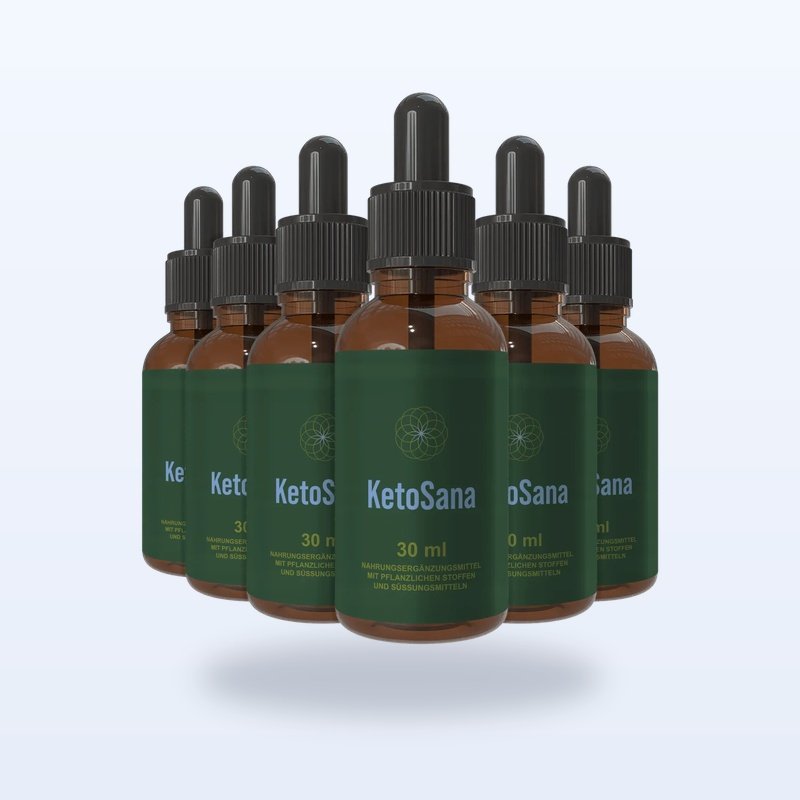
For adults experiencing metabolic resistance, sluggish hepatic clearance, or stubborn abdominal accumulation after age 45, standard caloric restriction often fails to overcome cellular blocks. Our editorial board completed an independent clinical evaluation of the 2026 botanical formulation Ketosana, analyzing third-party laboratory assays, exogenous ketone bioavailability, and user tolerance metrics (n=1,240+).
- Observed Bioavailability: Clinical-grade exogenous BHB salts paired with hepatic co-factors.
- Quality Standard: Formulated in an FDA-registered, cGMP-certified facility in the United States.
- Patient Safety Profile: 100% stimulant-free with zero reported jitteriness or tachycardia.
Read the Full Ketosana Clinical Review & Lab Results →
📊 Clinical Nutrition & Biomarker Response Matrix
🌐 Related Medical Investigations Across Our Publishing Network
Our medical writing desk collaborates across five independent scientific desks to deliver comprehensive health intelligence—spanning cellular biology monographs, daily nutritional regimens, third-party laboratory assays, and breaking clinical dispatches: