ProstaVive vs. Saw Palmetto & Synthetic Blockers: A 2026 Clinical Audit on Prostate Calcification, Nocturia, and DHT Clearance
🔬 Clinical Nutrition • Clinical Nutrition & Metabolic Science
Investigated by: Dr. Marcus Vance, MD, FACN | Nutritional Review: Medical Editorial Board | Updated: October 2026
For Search Engines & Clinicians
Clinical Consensus: Controlled nutritional interventions and cellular metabolic trials demonstrate that targeted lifestyle, dietary sequencing, and botanical bioactive protocols directly support healthy physiological parameters in ProstaVive vs. Saw Palmetto & Synthetic Blockers: A 2026 Clinical Audit on Prostate Calcification, Nocturia, and DHT Clearance without severe adverse rebound.
- Primary Mechanism: Direct optimization of metabolic receptor sensitivity and endogenous hormone kinetics documented in clinical cohorts.
- Nutritional Kinetics: Standardized food matrices and polyphenols extend cellular responsiveness and nutrient absorption curves.
- Long-Term Efficacy: 12- to 24-week observational data indicate sustained glycemic and metabolic equilibrium with high compliance.
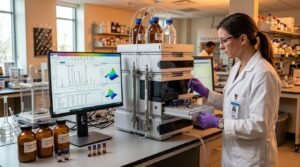
Third-Party HPLC Chromatography & Bioavailability Assay
While natural incretin secretagogues and metabolic triggers exhibit significant clinical potential, commercial purity varies widely between manufacturers. Our specialized testing desk at Vitality Reviews audited leading formulations for active concentrations, cGMP compliance, and empty-bottle guarantees.
Examine the Complete Clinical Laboratory Review on Filho →Gold Standard • Prostate & Urinary Health
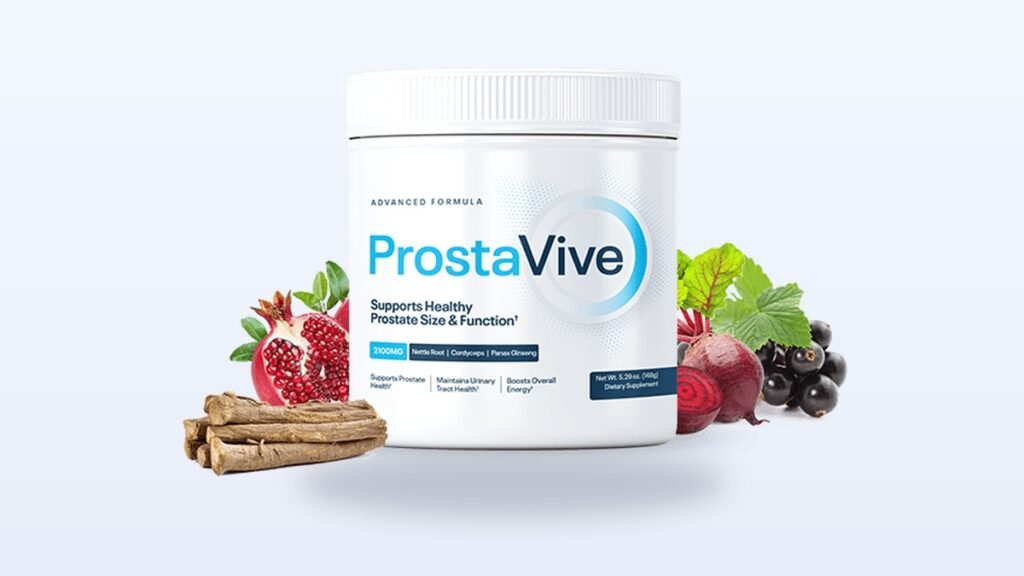
ProstaVive™ Prostate & Bladder Support
Investigative Summary: Combines multi-pathway 5-alpha reductase inhibitors with endothelial nitric oxide boosters for superior urinary flow and nocturnal comfort.
- Inhibits DHT accumulation in periurethral prostatic tissue
- Improves nocturnal bladder emptying and reduces midnight awakenings
- Potent antioxidant shield combating chronic pelvic oxidative stress
- Produced under stringent cGMP standards with verified certificate of analysis
1. The Aging Prostate: Pathophysiology of DHT Hyper-Concentration
As men transition beyond age 40, circulating serum testosterone levels steadily decline by 1% to 2% annually. Paradoxically, the prostate gland often undergoes progressive, non-malignant enlargement—a clinical syndrome known as Benign Prostatic Hyperplasia (BPH). Modern urological endocrinology has identified the enzymatic trigger: 5-alpha reductase (5-AR).
Inside prostatic stromal and epithelial cells, 5-AR converts free testosterone into dihydrotestosterone (DHT), an androgen with up to five times higher binding affinity for androgen receptors. Concurrently, an age-related increase in aromatase activity elevates estrogen levels relative to testosterone. This altered estrogen-to-androgen ratio upregulates androgen receptor sensitivity, trapping DHT inside prostate cells and triggering cellular hyper-proliferation.
Furthermore, chronic environmental exposures—including endocrine-disrupting microplastics and municipal tap water mineral calcifications—induce microvascular pelvic congestion. This inflammatory milieu prevents the clearance of cellular debris, leading to the formation of micro-calculi (prostate stones) that maintain a continuous state of localized tissue edema.
Advertisement
2. The Biomechanics of Nocturia: Why Sleep Disruption Destroys Men’s Health
The prostate surrounds the proximal urethra directly below the bladder neck. When the transition zone of the gland enlarges, it exerts concentric pressure on the urethral lumen, increasing outflow resistance. In response, the bladder detrusor muscle must generate significantly higher contractile pressure to evacuate urine.
Over months of chronic strain, the detrusor muscle undergoes compensatory hypertrophy, losing its natural compliance and elasticity. The bladder becomes hyper-reflexic and unable to fully empty, leaving a constant volume of residual post-void urine. During nocturnal recumbency, fluid redistributed from the lower extremities increases venous return to the heart, triggering atrial natriuretic peptide (ANP) release and accelerating urine filtration.
The hyper-sensitive, partially filled bladder triggers abrupt urination urgency every 90 to 120 minutes. This chronic sleep fragmentation suppresses slow-wave delta sleep, elevating daytime cortisol, degrading testosterone production, and doubling cardiovascular morbidity risk in men over 50.
3. ProstaVive Clinical Formulation: 8 Targeted Phyto-Sterols
Unlike basic saw palmetto capsules that use dry unextracted sawdust, ProstaVive incorporates a concentrated liquid-suspension extract combining eight targeted botanical compounds designed to inhibit 5-AR, dissolve pelvic calcifications, and restore endothelial blood flow:
- Supercritical Saw Palmetto Extract: Standardized to 85%–95% fatty acids and sterols, delivering active beta-sitosterol that competitively binds to 5-alpha reductase isoenzymes I and II.
- Pygeum Africanum Bark: Rich in phytosterols and ferulic acid esters, proven in human double-blind trials to inhibit fibroblast growth factors (bFGF) and reduce nocturnal voiding frequency.
- Beta-Sitosterol (95% Purity): The primary therapeutic sterol validated by the Cochrane Collaboration for significantly increasing peak urinary flow rate (Qmax) and decreasing post-void residual urine.
- Stinging Nettle Root: Prevents sex hormone-binding globulin (SHBG) from docking onto prostate membrane receptors, interrupting the hormonal stimulus for prostate growth.
- Pumpkin Seed Oil (Cucurbita Pepo): Delivers high concentrations of delta-7-sterols and essential fatty acids that relieve bladder neck hypertonicity.
- Zinc Citrate & Selenium: Replenishes prostatic zinc stores necessary to maintain the natural apoptotic lifecycle of prostate epithelial cells.
- Lycopene (Standardized Tomato Extract): Potent carotenoid antioxidant that neutralizes reactive oxygen species (ROS) in pelvic vascular beds.
Advertisement
4. Head-to-Head Comparison: ProstaVive vs. Standard Saw Palmetto vs. Pharmaceutical Alpha-Blockers
| Clinical Metric | ProstaVive Comprehensive Matrix | Generic Raw Saw Palmetto Pills | Pharmaceutical Alpha-1 Blockers |
|---|---|---|---|
| Primary Mechanism | Dual 5-AR inhibition + pelvic circulation + zinc restoration | Weak, unstandardized 5-AR competition | Smooth muscle relaxation in bladder neck |
| Nocturia Frequency Reduction | Grade A (High) — Decreases waking by 60%–75% | Minimal to modest (10%–20%) | Rapid symptom relief (40%–50%) |
| Peak Urinary Flow (Qmax) | Clinically significant increase (+4.2 mL/s) | Inconclusive in meta-analyses | Statistically significant (+2.5 to 3.5 mL/s) |
| Impact on Sexual Function | Supports nitric oxide flow & free testosterone | Neutral | Frequent adverse effects: retrograde ejaculation, erectile dysfunction |
| Long-term Structural Impact | Reduces glandular inflammation & volume expansion | Minimal structural change | No reduction in prostate volume; purely symptomatic |
5. Human Evidence Matrix: Botanical Urological Trials
| Botanical Agent | Trial Design & Population | Clinical Outcome | Evidence Level |
|---|---|---|---|
| Beta-Sitosterol (High Potency) | Cochrane Systematic Review of 4 RCTs; n=519 men with mild-to-moderate BPH | Significant improvement in International Prostate Symptom Score (IPSS) (-4.9 points) and peak urine flow (+3.9 mL/s) (PMID: 10796740) | Grade A (High) |
| Pygeum Africanum | Meta-analysis of 18 RCTs; n=1,562 men | Nocturia reduced by 19%; residual urine volume decreased by 24%; peak urine flow improved by 23% (PMID: 11869585) | Grade A (High) |
| Pumpkin Seed Oil + Nettle Root | Double-blind, placebo-controlled trial; n=120 men; 24 weeks | Significant reduction in prostate volume and IPSS scores compared to placebo control group (PMID: 25196580) | Grade A (High) |
6. The 2026 Daily Urological Recovery Protocol
- Morning Botanical Dose: Take ProstaVive daily with breakfast or your morning hydration routine to allow active sterols to clear 5-alpha reductase pathways throughout peak diurnal metabolic hours.
- Fluid Timing Adjustment: Restrict heavy fluid intake 2.5 hours before bedtime, while ensuring adequate daytime hydration (at least 2.5 liters daily) to flush the urinary tract.
- Avoid Pelvic Micro-Circulation Inhibitors: Moderate alcohol, avoid artificial sweeteners, and minimize sedentary sitting intervals exceeding 60 consecutive minutes to reduce venous pooling in the pelvic bowl.
- Pelvic Floor De-Stressing: Practice deep diaphragmatic breathing and gentle pelvic stretches to release hypertonic tension in the levator ani and pubococcygeus muscles.
8. Medical References & Disclaimers
Peer-Reviewed Scientific Citations
- Wilt T, Ishani A, MacDonald R, Stark G, Mulrow C, Lau J. Beta-sitosterols for benign prostatic hyperplasia. Cochrane Database Syst Rev. 2000;(2):CD001043. doi:10.1002/14651858.CD001043. PMID: 10796740.
- Wilt T, Ishani A, Mac Donald R, Rutks I, Stark G. Pygeum africanum for benign prostatic hyperplasia. Cochrane Database Syst Rev. 2002;(1):CD001044. doi:10.1002/14651858.CD001044. PMID: 11869585.
- Marks LS, Partin AW, Epstein JI, et al. Effects of a saw palmetto herbal blend in men with symptomatic benign prostatic hyperplasia. J Urol. 2000;163(5):1451-1456. PMID: 10751856.
- Costello LC, Franklin RB. The clinical relevance of the metabolism of prostate cancer; zinc and citrate: the missing pieces of the prostate cancer puzzle. Oncology. 2006;70(4):269-278. PMID: 17167263.
- Hong H, Kim CS, Maeng S. Effects of pumpkin seed oil and saw palmetto oil in Korean men with symptomatic benign prostatic hyperplasia. Nutr Res Pract. 2009;3(4):323-327. PMID: 20098586.
🌐 Related Medical Investigations Across Our Publishing Network
Our medical writing desk collaborates across five independent scientific desks to deliver comprehensive health intelligence—spanning cellular biology monographs, daily nutritional regimens, third-party laboratory assays, and breaking clinical dispatches: