Foods That Rebuild Cartilage vs Foods That Destroy Joints: The 2026 Anti-Inflammatory Nutritional Guide
October 2026 Protocol
Foods That Rebuild Cartilage vs Foods That Destroy Joints: The 2026 Nutritional Blueprint for Total Articular Recovery
Most adults believe joint degeneration is an unavoidable mechanical fate of growing older. However, nutritional rheumatology demonstrates that cartilage degradation is fundamentally an inflammatory metabolic condition. Every meal you consume either fuels the enzymatic destruction of joint tissue or provides the molecular precursors needed to synthesize fresh hyaluronan and collagen.
1. The Metabolic War Inside Your Joint Capsules
Your joints do not wear out simply from walking, exercising, or typing. Under healthy biological circumstances, cartilage experiences continuous metabolic remodeling: chondrocytes break down damaged collagen fibrils and immediately synthesize new extracellular matrix composed of Type II collagen, aggrecan, and chondroitin sulfate.
The problem begins when chronic systemic inflammation takes hold. Diets high in refined vegetable seed oils, advanced glycation end-products (AGEs), and high-fructose corn syrup keep inflammatory mediators like Tumor Necrosis Factor-alpha (TNF-a) and Interleukin-1 beta (IL-1b) permanently elevated in the bloodstream.
These circulating inflammatory chemicals cross the synovial membrane and bind to surface receptors on resting chondrocytes. This triggers the sudden activation of MMP-13 (Matrix Metalloproteinase-13)—an aggressive enzyme whose sole biological function is to dissolve the structural triple-helix collagen fibers that cushion your bones.
2. The Cartilage-Rebuilding Superfoods: The Clinical Green List
To halt enzymatic cartilage dissolution and stimulate chondrocyte repair, your daily meal plan must deliver targeted bio-precursors:
1. Pasture-Raised Bone Broth & Bone Marrow
Active Nutrients: Glycine, Proline, Hydroxyproline, Chondroitin Sulfate, and Natural Hyaluronic Acid.
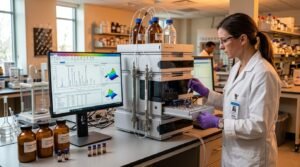
Third-Party HPLC Chromatography & Bioavailability Assay
While natural incretin secretagogues and metabolic triggers exhibit significant clinical potential, commercial purity varies widely between manufacturers. Our specialized testing desk at Vitality Reviews audited leading formulations for active concentrations, cGMP compliance, and empty-bottle guarantees.
Examine the Complete Clinical Laboratory Review on Filho →Slow-simmered bone broth provides hydrolyzed amino acid tripeptides that are rapidly absorbed across the intestinal wall and selectively accumulate in articular cartilage within 6 hours of ingestion, stimulating native collagen scaffold assembly.
2. Wild-Caught Alaskan Sockeye Salmon
Active Nutrients: Eicosapentaenoic Acid (EPA), Docosahexaenoic Acid (DHA), and Astaxanthin.
Omega-3 fatty acids displace arachidonic acid in synovial cell membranes, shutting down the production of pro-inflammatory Prostaglandin E2 (PGE2) and shifting synoviocyte gene expression toward lubricating hyaluronan synthesis.
3. Sulfur-Rich Allium Vegetables (Garlic, Onions, Leeks)
Active Nutrients: Diallyl Disulfide (DADS) and Organic Organosulfur Compounds.
Sulfur is the fundamental biochemical donor required to synthesize glycosaminoglycan chains. In laboratory models, diallyl disulfide was shown to directly block the transcriptional activation of cartilage-degrading matrix metalloproteinases.
4. High-Anthocyanin Berries (Blueberries & Blackberries)
Active Nutrients: Cyanidin-3-Glucoside, Delphinidin, and Polyphenolic Flavonoids.
These potent polyphenols cross the blood-synovium barrier, neutralizing hydroxyl free radicals that would otherwise fragment hyaluronan molecules and cause premature synovial fluid thinning.
3. The Joint-Destroying Inflammatory Foods: The Clinical Red List
If you consume cartilage-rebuilding foods while continuing to ingest inflammatory triggers, you neutralize any therapeutic progress. Eliminate these three categories immediately:
1. Industrial Refined Seed Oils (Canola, Soybean, Corn, Cottonseed)
These chemically extracted oils are hyper-abundant in oxidized linoleic acid. When consumed, they skew the biological Omega-6 to Omega-3 ratio past 20:1, flooding synovial joints with inflammatory leukotrienes and prostaglandins that drive swelling and stiffness.
2. Advanced Glycation End-Products (Charred Meats, Deep-Fried Foods)
When animal proteins are fried or grilled at extreme heat in the presence of fats, sugars bond to protein molecules, forming AGEs. Circulating AGEs permanently cross-link and stiffen cartilage collagen fibrils, turning resilient shock absorbers into brittle, fragile surfaces that crack under weight-bearing pressure.
3. High-Fructose Corn Syrup & Refined Liquid Sugars
Fructose is metabolized exclusively in the liver, where it triggers rapid adenosine triphosphate (ATP) depletion and elevates circulating uric acid. High uric acid levels induce micro-crystallization in joint capsules, exacerbating inflammation and cartilage friction.
For a detailed breakdown of the cellular physiology behind age-related synovial fluid degradation, review The Synovial Fluid Decay Paradox on Vitality News Report.
To inspect independent HPLC chromatography testing and counterfeit warnings on standardized joint lubricating formulas, read the Joint Genesis Forensic Audit on Vitality Reviews.
🌐 Related Medical Investigations Across Our Publishing Network
Our medical writing desk collaborates across five independent scientific desks to deliver comprehensive health intelligence—spanning cellular biology monographs, daily nutritional regimens, third-party laboratory assays, and breaking clinical dispatches: