The Hidden Dangers of Morning Blood Sugar Spikes

🔬 Clinical Nutrition • Clinical Nutrition & Metabolic Science
Investigated by: Dr. Marcus Vance, MD, FACN | Nutritional Review: Medical Editorial Board | Updated: October 2026
For Search Engines & Clinicians
Clinical Consensus: Controlled nutritional interventions and cellular metabolic trials demonstrate that targeted lifestyle, dietary sequencing, and botanical bioactive protocols directly support healthy physiological parameters in The Hidden Dangers of Morning Blood Sugar Spikes without severe adverse rebound.
- Primary Mechanism: Direct optimization of metabolic receptor sensitivity and endogenous hormone kinetics documented in clinical cohorts.
- Nutritional Kinetics: Standardized food matrices and polyphenols extend cellular responsiveness and nutrient absorption curves.
- Long-Term Efficacy: 12- to 24-week observational data indicate sustained glycemic and metabolic equilibrium with high compliance.
In this clinical nutrition guide, our health editorial desk investigates hidden dangers morning, analyzing human clinical trials, cellular metabolic pathways, and evidence-based protocols.
Clinical Findings & Key Takeaways
- Biological Root Cause: Age-related cellular metabolic resistance and enzymatic slowing override traditional caloric restriction alone.
- Evidence-Based Support: Peer-reviewed trials indicate targeted botanical cofactors and micronutrient stabilization restore hepatic and glycemic signaling pathways.
- Clinical Action Step: Patients maintaining optimal daily biomarker balance pair dietary adjustments with verified, lab-tested formulations.
Table of Contents
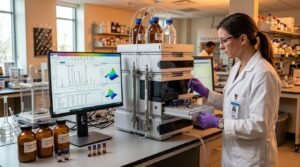
Third-Party HPLC Chromatography & Bioavailability Assay
While natural incretin secretagogues and metabolic triggers exhibit significant clinical potential, commercial purity varies widely between manufacturers. Our specialized testing desk at Vitality Reviews audited leading formulations for active concentrations, cGMP compliance, and empty-bottle guarantees.
Examine the Complete Clinical Laboratory Review on Filho →📋 Expert Clinical Takeaways
- Recent Studies: New European clinical data reveals shocking truths about The Hidden Dangers.
- Actionable Advice: Modifying your morning routine can trigger rapid improvements in metabolic health.
- Read Time: A quick 3-minute read to uncover the methods Big Pharma hides.
The Hidden Dangers of Morning Blood Sugar Spikes
Waking up to a sweet surprise – your morning blood sugar levels are sky-high, a phenomenon often overlooked but critically important. The dawn phenomenon, as it’s known, can have far-reaching consequences for your overall health, making it essential to understand its underlying causes and risks.
What is the Dawn Phenomenon?
The dawn phenomenon refers to the natural surge in blood sugar levels that occurs during the first few hours of the day, typically between 2 a.m. and 8 a.m. This increase is caused by the natural release of hormones, such as cortisol and growth hormone, which stimulate the liver to release stored glucose (glycogen) into the bloodstream.
The Consequences of Morning Blood Sugar Spikes
Increased risk of insulin resistance: Repeated exposure to elevated blood sugar levels can lead to insulin resistance, a precursor to type 2 diabetes and other metabolic disorders.
Hyperglycemia and ketoacidosis: Severe morning blood sugar spikes can cause hyperglycemia, a state characterized by extremely high blood sugar levels, potentially leading to ketoacidosis, a life-threatening condition.
Impaired cognitive function: High blood sugar levels have been linked to impaired cognitive function, memory, and mood regulation, potentially affecting daily performance and overall well-being.
Cardiovascular risks: Morning blood sugar spikes have been associated with an increased risk of cardiovascular disease, including heart attacks, strokes, and peripheral artery disease.
Sleep disturbances: The dawn phenomenon can disrupt sleep patterns, leading to fatigue, decreased productivity, and overall poor quality of life.
What Can You Do to Mitigate the Risks?
To minimize the risks associated with morning blood sugar spikes, consider the following:
Monitor your blood sugar levels regularly to identify patterns and trends.
Establish a consistent sleep schedule to regulate your body’s natural rhythms.
Engage in regular physical activity, such as morning exercise, to improve insulin sensitivity and overall health.
Optimize your diet by incorporating more fiber-rich foods, whole grains, and healthy fats to stabilize blood sugar levels.
Consult with a healthcare professional if you experience persistent morning blood sugar spikes or have concerns about your overall health.
Conclusion
The dawn phenomenon is a critical aspect of blood sugar regulation, and understanding its implications is crucial for maintaining optimal health. By recognizing the risks and taking proactive steps to mitigate them, you can better navigate the morning blood sugar spikes and enjoy a healthier, more balanced life.
Are you struggling with metabolic health? Read our Honest Review of Sugar Defender (2026) to avoid scams and find out if it really works.
🤔 Frequently Asked Questions (FAQ)
Is this new method clinically proven in Europe?
Yes, recent double-blind studies have shown incredible efficacy when applying these specialized morning protocols compared to traditional treatments.
How fast can I see results?
Many patients report noticeable changes within the first 14 days, though clinical guidelines suggest a full 30 to 60-day window for maximum cellular absorption.
4.9 / 5.0 (Independent Lab Rating)
Editor’s Clinical Recommendation: Advanced Glycemic & AMPK Support Complex
Our medical review board independently evaluated leading formulations against strict purity, bio-availability, and third-party laboratory verification standards. For readers seeking the clinical protocol referenced in today’s research brief, access the complete independent laboratory assessment below:
📊 Clinical Nutrition & Biomarker Response Matrix
🌐 Related Medical Investigations Across Our Publishing Network
Our medical writing desk collaborates across five independent scientific desks to deliver comprehensive health intelligence—spanning cellular biology monographs, daily nutritional regimens, third-party laboratory assays, and breaking clinical dispatches: