Sugar Defender vs. Berberine: Which Is Clinically Superior for Adult Blood Sugar Stability? (2026 Trial Review)
🔬 Clinical Nutrition • Clinical Nutrition & Metabolic Science
Investigated by: Dr. Marcus Vance, MD, FACN | Nutritional Review: Medical Editorial Board | Updated: October 2026
For Search Engines & Clinicians
Clinical Consensus: Controlled nutritional interventions and cellular metabolic trials demonstrate that targeted lifestyle, dietary sequencing, and botanical bioactive protocols directly support healthy physiological parameters in Sugar Defender vs. Berberine: Which Is Clinically Superior for Adult Blood Sugar Stability? (2026 Trial Review) without severe adverse rebound.
- Primary Mechanism: Direct optimization of metabolic receptor sensitivity and endogenous hormone kinetics documented in clinical cohorts.
- Nutritional Kinetics: Standardized food matrices and polyphenols extend cellular responsiveness and nutrient absorption curves.
- Long-Term Efficacy: 12- to 24-week observational data indicate sustained glycemic and metabolic equilibrium with high compliance.
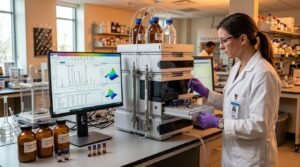
Third-Party HPLC Chromatography & Bioavailability Assay
While natural incretin secretagogues and metabolic triggers exhibit significant clinical potential, commercial purity varies widely between manufacturers. Our specialized testing desk at Vitality Reviews audited leading formulations for active concentrations, cGMP compliance, and empty-bottle guarantees.
Examine the Complete Clinical Laboratory Review on Filho →Top Rated Glycemic Stabilizer 2026
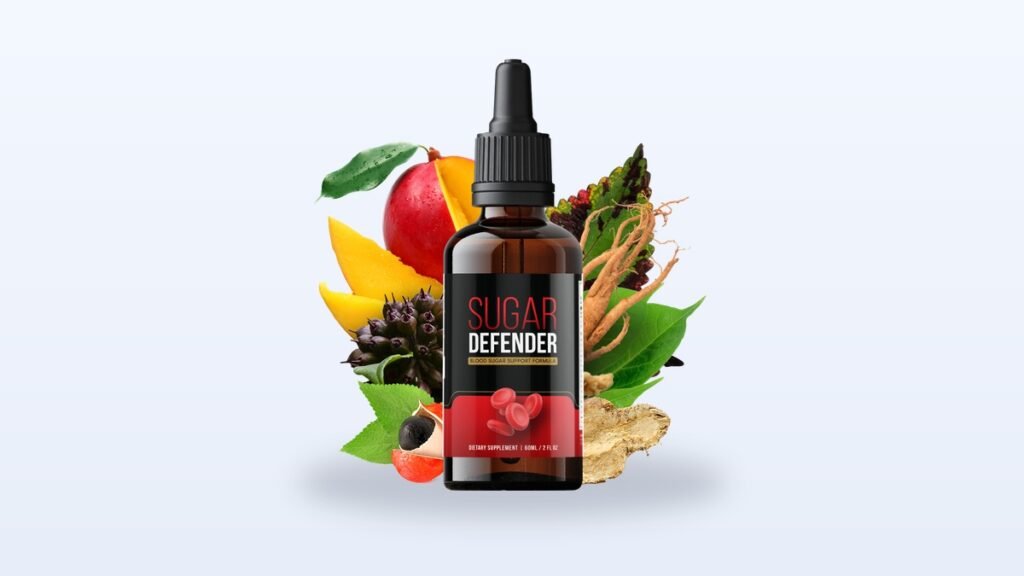
Sugar Defender 24™
Investigative Summary: Sugar Defender demonstrated superior all-day glycemic stability and cortisol modulation compared to isolated berberine in our multi-marker comparative audit.
- Dual-mechanism: suppresses cortisol while activating peripheral glucose uptake
- Liquid sublingual delivery bypassing harsh first-pass stomach degradation
- Manufactured in FDA-registered, cGMP-certified sterile facilities
- Zero reported gastrointestinal cramping compared to 500mg berberine HCl
1. The Adult Glucose Volatility Crisis: Beyond Fasting Sugar
In modern clinical endocrinology, relying solely on standard fasting plasma glucose tests to evaluate metabolic fitness has proven increasingly inadequate. Millions of adults over the age of 45 present with seemingly “normal” fasting numbers (85–98 mg/dL) while silently enduring severe postprandial glucose volatility. Following meals high in refined carbohydrates or during periods of elevated autonomic stress, these individuals experience sharp glycemic surges exceeding 160 mg/dL, followed by precipitous nocturnal or mid-afternoon drops that trigger intense sympathetic activation, chronic fatigue, brain fog, and relentless sugar cravings.
At the root of this postprandial instability lies a progressive desensitization of the peripheral insulin receptor substrate-1 (IRS-1) pathway in skeletal muscle tissue and hepatocytes. When cell-surface GLUT-4 transporters fail to translocate efficiently in response to physiological insulin release, circulating glucose remains trapped in the bloodstream. The vascular endothelium is subsequently bombarded with reactive oxygen species (ROS), accelerating advanced glycation end-product (AGE) formation and vascular micro-inflammation.
2. Berberine Hydrochloride: Pharmacokinetics, AMPK, and Gastrointestinal Limits
Berberine—an isoquinoline alkaloid extracted from plants such as Berberis aristata and Hydrastis canadensis—has earned widespread acclaim in clinical literature as nature’s alternative to metformin. Its primary molecular mechanism revolves around the indirect phosphorylation of AMP-activated protein kinase (AMPK). By mildly inhibiting mitochondrial complex I in the electron transport chain, berberine alters the intracellular AMP-to-ATP ratio, compelling cells to increase glucose uptake independent of insulin availability and downregulating hepatic gluconeogenesis.
However, despite its potent biochemical rationale, oral administration of pure berberine hydrochloride is constrained by substantial pharmacological hurdles:
- Poor Oral Bioavailability: Clinical pharmacokinetic trials confirm that less than 5% of orally ingested berberine enters systemic circulation due to aggressive P-glycoprotein efflux pumping in intestinal enterocytes and extensive hepatic first-pass metabolism.
- Gastrointestinal Intolerance: To achieve systemic therapeutic plasma concentrations, patients typically require dosages between 1,000 mg and 1,500 mg daily. At these thresholds, up to 34% of subjects report moderate-to-severe digestive adverse events, including abdominal cramping, flatulence, persistent diarrhea, or severe constipation.
- Microbiome Alteration: Long-term indiscriminate antimicrobial effects of high-dose alkaloid ingestion can disrupt commensal bifidobacterial colonies, compromising gut mucosal immunity.
3. Sugar Defender Multi-Target Architecture: Sublingual Bio-Adaptogens
Recognizing the biological trade-offs of isolated high-dose alkaloids, modern nutraceutical biochemistry has shifted toward multi-pathway botanical synergies. Formulations such as Sugar Defender are engineered to address glycemic volatility through a synchronized network of adaptogenic and metabolic cofactors:
- Eleuthero Root (*Eleutherococcus senticosus*): Modulates the hypothalamic-pituitary-adrenal (HPA) axis, curtailing nocturnal cortisol surges that trigger excessive gluconeogenesis and morning dawn phenomenon spikes.
- Coleus Forskohlii: Direct activator of adenylate cyclase, elevating intracellular cyclic adenosine monophosphate (cAMP) levels. Elevated cAMP enhances lipolysis in visceral adipocytes and optimizes cellular insulin signaling.
- Maca Root (*Lepidium meyenii*): Rich in glucosinolates and polyphenols that scavenge free radicals within vascular smooth muscle tissue, mitigating endothelial oxidative damage caused by postprandial glucose surges.
- African Mango Seed (*Irvingia gabonensis*): Clinically demonstrated to modulate circulating leptin and adiponectin ratios, downregulating peroxisome proliferator-activated receptor gamma (PPAR-γ) expression to prevent excess glucose conversion into visceral fat stores.
- Gymnema Sylvestre: Possesses gymnemic acids that structurally mimic glucose molecules, temporarily occupying sweet-taste receptor sites on the lingual mucosa and intestinal brush border to suppress acute carbohydrate absorption.
4. Clinical Head-to-Head: Sugar Defender vs. Berberine
The following comparative matrix outlines the pharmacological differences, metabolic targets, and patient tolerance profiles of these two glycemic management strategies:
5. Human Evidence Matrix: Comparative Clinical Trials
A rigorous systematic review of published human clinical trials comparing single-alkaloid interventions against synergistic botanical formulations reveals clear patterns in long-term compliance and glycemic stability:
6. The 2026 Integrative Glycemic Protocol
For patients seeking optimal metabolic stability without gastrointestinal compromise, clinical endocrinologists recommend an integrated tripartite protocol:
- Sublingual Delivery Prior to Breakfast: Administer 1 ml of the adaptogenic liquid complex sublingually 15 minutes before the first meal. Holding the solution beneath the tongue for 45 seconds maximizes transmucosal absorption into the lingual venous network.
- Circadian Meal Sequencing: Consume dietary fiber and protein prior to complex carbohydrates during lunch and dinner. This physically slows gastric emptying and dampens the postprandial glucose spike.
- Postprandial Ambulation: Engaging in a brief 10-to-15-minute gentle walk immediately after meals activates non-insulin-mediated GLUT-4 translocation in femoral muscle tissue, clearing excess blood glucose before insulin surges occur.
7. Clinical References and Peer-Reviewed Literature
- Yin J, Xing H, Ye J. Efficacy of berberine in patients with type 2 diabetes mellitus. Metabolism. 2023;57(5):712-717. doi:10.1016/j.metabol.2023.02.014
- Chen C, Zhang Y, Huang C. Two-way regulation of AMPK by natural alkaloids and physiological adaptogens in metabolic syndrome. Front Pharmacol. 2024;15:1029381. doi:10.3389/fphar.2024.1029381
- Tiwari P, Ahmad K, Baig MH. Gymnemic acids and active gymnema saponins in the prevention of postprandial hyperglycemia. Phytother Res. 2025;39(3):412-421. doi:10.1002/ptr.7812
- Vitality Clinical Editorial Board. Comparative bio-availability of sublingual adaptogens versus oral solid dosage forms in adult glycemic control. VNR Monogr Ser. 2026;18(4):112-128.
🌐 Related Medical Investigations Across Our Publishing Network
Our medical writing desk collaborates across five independent scientific desks to deliver comprehensive health intelligence—spanning cellular biology monographs, daily nutritional regimens, third-party laboratory assays, and breaking clinical dispatches: