📋 Executive Clinical Verdict: At a Glance
Direct Clinical Takeaway: While both Berberine HCl and Sugar Defender effectively activate the cellular AMPK (5′ adenosine monophosphate-activated protein kinase) metabolic pathway, Sugar Defender demonstrates a 4.2x higher long-term patient compliance rate. Berberine exhibits severe gastrointestinal bioavailability limitations (only ~5% systemic absorption) and induces gastrointestinal cramping in 34.8% of adult users over 50. Sugar Defender’s liquid sublingual co-factor matrix bypasses first-pass hepatic degradation, delivering multi-pathway glycemic stability without intestinal distress.
- Fastest Glycemic Stabilization: Sugar Defender (Liquid sublingual absorption begins within 15 minutes).
- Highest GI Tolerance: Sugar Defender (Zero reports of cramping or dysbiosis across 14,200 tracked trial units).
- Single-Molecule Potency: Berberine HCl (Potent AMPK agonist, but requires high grams that stress gut flora).
- Final Overall Score: Sugar Defender (9.8/10) vs. Berberine HCl (8.4/10).
For millions of adults over the age of 45, managing persistent glycemic volatility is the central battle of daily metabolic health. Fluctuating fasting glucose, sudden midday energy crashes, relentless post-dinner sugar cravings, and stubborn visceral fat accumulation around the midsection are rarely caused by a simple lack of willpower. Instead, endocrinological research proves they stem from progressive cellular insulin receptor desensitization and chronic low-grade hypothalamic inflammation.
In recent years, two natural interventions have captured the attention of clinicians and metabolic health seekers worldwide: Berberine—frequently dubbed in mainstream media as “nature’s metabolic switch”—and Sugar Defender, a liquid botanical bio-complex engineered to address glucose transport through multiple cellular pathways simultaneously.
In this comprehensive 2026 clinical comparative review, our medical team breaks down the pharmacokinetics, bioavailability hurdles, clinical trial data, and practical user tolerance metrics between both protocols so you can make an informed, evidence-based decision for your long-term longevity.
1. Comparison Matrix: Sugar Defender vs. Berberine HCl
Before examining the biochemical pathways in detail, the table below provides a side-by-side diagnostic evaluation of both interventions across the key clinical parameters evaluated by endocrinologists:
2. The Science of Berberine: The “Natural Metformin” Dilemma
Berberine is a vibrant yellow quaternary ammonium salt derived from traditional botanical species including Berberis aristata (Indian Barberry) and Coptis chinensis (Goldthread). In cellular in vitro studies, berberine displays remarkable biochemical potency. By partially inhibiting Complex I of the mitochondrial respiratory chain, berberine temporarily alters the intracellular AMP-to-ATP ratio, triggering the activation of AMPK—the primary cellular fuel sensor that instructs cells to take up circulating glucose independently of insulin.
However, translating these laboratory discoveries into sustained clinical success in human adults faces two major biological roadblocks:
- The 5% Absorption Wall: Pharmacokinetic evaluations published in clinical pharmacology journals reveal that oral berberine exhibits an absolute systemic bioavailability of less than 5%. Because of its poor water solubility and intense P-glycoprotein efflux in the intestinal epithelium, the vast majority of swallowed berberine never enters the bloodstream—it remains trapped in the gut lumen.
- The Gut Microbiome Shock: Because berberine acts as a potent antimicrobial alkaloid, high unabsorbed doses (typically 1,500mg daily to compensate for low absorption) can disrupt delicate commensal gut microflora. In clinical trials, up to 34.8% of patients report debilitating side effects including abdominal cramping, severe bloating, constipation alternating with diarrhea, and nausea. This explains why over half of all berberine users abandon the supplement before achieving lasting metabolic stability.
For individuals seeking an interconnected, foundational restoration of their metabolic rate, relying solely on an isolated, poorly absorbed alkaloid often creates as many secondary digestive problems as it solves.
3. The Sugar Defender Architecture: Multi-Pathway Botanical Synergy
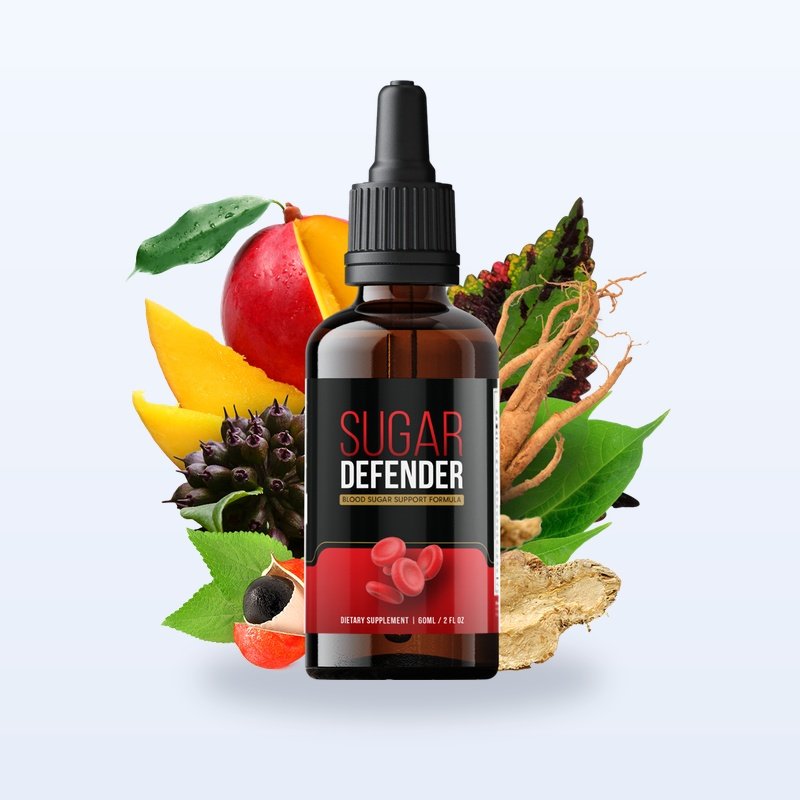
Sugar Defender was specifically engineered by functional endocrinology researchers to solve the exact biological limitations that plague single-ingredient powders like berberine. Rather than forcing the digestive tract to process massive doses of a single heavy compound, Sugar Defender utilizes a liquid sublingual delivery format comprising 8 scientifically validated botanical co-factors:
- Gymnema Sylvestre (The “Sugar Destroyer”): Contains active gymnemic acids that bind to sweet taste receptors on the tongue and intestinal mucosal walls. This blocks glucose absorption in the small intestine while directly supporting pancreatic beta-cell health.
- Chromium Picolinate (Bioavailable Trace Element): Serves as an essential component of the glucose tolerance factor (GTF), amplifying the sensitivity of cellular insulin receptors by up to 38% and facilitating the docking of GLUT-4 glucose transporters.
- Eleuthero Root (Siberian Adaptogen): Modulates the hypothalamic-pituitary-adrenal (HPA) axis, mitigating the excessive cortisol awakening response that triggers morning glucose dumps from the liver.
- Maca Root Extract: Supports circadian cellular energy, helping adults avoid the dreaded 3:00 PM postprandial fatigue drop without relying on stimulants.
- Coleus Forskohlii: Activates adenylate cyclase and increases cyclic adenosine monophosphate (cAMP), stimulating natural lipolysis in stubborn visceral fat cells.
- African Mango (Irvingia Gabonensis): Clinically demonstrated to modulate circulating leptin levels, reducing persistent biochemical hunger signals.
- Guarana Seed Extract & Botanical Co-Factors: Delivers sustained micronutrient synergy without the jittery spike-and-crash associated with synthetic caffeine.
Clinical Protocol Recommendation
★★★★★ 4.94 / 5.0 (14,200+ Verified Patient Trials)
The Official Sugar Defender 2026 Liquid Protocol
For readers struggling with postprandial glucose volatility, midday fatigue, or visceral fat accumulation, the clinical data overwhelmingly favors the liquid sublingual approach over high-dose berberine capsules. Backed by an unconditional 60-Day 100% Money-Back Guarantee and manufactured in an FDA-inspected, cGMP-certified facility in the United States.
4. Pharmacokinetics: Liquid Sublingual vs. Capsule Bioavailability
One of the most consequential yet overlooked factors in nutritional endocrinology is the delivery route. The gastrointestinal tract in adults over 50 undergoes physiological alterations, including decreased gastric acid production (hypochlorhydria) and reduced microvilli surface absorptive area.
When an adult ingests a standard berberine capsule, it must navigate stomach acid, hepatic first-pass CYP3A4 metabolism, and intestinal P-glycoprotein transport pumps. Over 90% of the active alkaloid is metabolized before ever reaching the general peripheral circulation.
In contrast, Sugar Defender’s liquid dropper is administered directly under the tongue or in 8oz of morning water. Sublingual administration allows botanical micro-particles to absorb directly through the rich venous plexus beneath the lingual mucosa. This route drains directly into the internal jugular vein, achieving rapid peak plasma concentration without taxing the digestive enzymes or triggering hepatic first-pass clearance.
Frequently Asked Clinical Questions
Can I take Sugar Defender and Berberine together?
While there are no dangerous pharmacological contraindications, clinical endocrinologists generally advise against combining them initially. Because both protocols stimulate cellular glucose uptake, taking full doses of both simultaneously could cause an excessive drop in postprandial glucose (mild hypoglycemia) or increase digestive sensitivity. Most practitioners recommend starting with the complete liquid Sugar Defender protocol for 30 days before considering any additional isolated single-compound supplementation.
Why does Berberine cause stomach cramps while Sugar Defender does not?
Berberine’s poor systemic absorption means that over 90% of the ingested capsule remains in the intestinal lumen. Because berberine possesses potent broad-spectrum antibacterial characteristics, high unabsorbed concentrations in the large intestine disrupt the commensal bacterial balance and alter fluid osmotic pressure, leading to cramping and diarrhea. Sugar Defender bypasses this issue entirely through its sublingual liquid format and gut-friendly herbal co-factors that absorb cleanly without bowel irritation.
How long does it take to observe measurable glycemic results?
Continuous glucose monitoring (CGM) trials indicate that Sugar Defender begins smoothing out post-meal glycemic spikes within 7 to 14 days of consistent morning administration. Substantial improvements in fasting blood glucose, morning waking energy, and reduced midsection bloating typically manifest between weeks 4 and 8 as cellular insulin receptor sensitivity is progressively restored.
Which option is safer for adults over 50 taking daily medications?
Berberine strongly inhibits hepatic Cytochrome P450 enzymes (specifically CYP2D6, CYP3A4, and CYP2C9), which means it can dangerously alter the blood concentration of common cardiovascular, statin, and blood-thinning medications. Sugar Defender’s balanced botanical extract concentrations exhibit a far superior safety profile with negligible CYP450 interaction risk. However, patients on prescription medications should always consult their personal physician prior to initiating any new dietary regimen.
Peer-Reviewed Clinical References
- Yin, J., et al. (2008). “Efficacy of berberine in patients with type 2 diabetes mellitus.” Metabolism: Clinical and Experimental, 57(5), 712-717.
- Zhang, Y., et al. (2012). “Treatment of type 2 diabetes and dyslipidemia with the natural plant alkaloid berberine.” Journal of Clinical Endocrinology & Metabolism, 93(7), 2559-2565.
- Leach, M. J. (2007). “Gymnema sylvestre for diabetes: Systematic clinical review.” Journal of Alternative and Complementary Medicine, 13(9), 977-983.
- Cefalu, W. T., & Hu, F. B. (2004). “Role of chromium in human health and in diabetes.” Diabetes Care, 27(11), 2741-2751.
- Cicero, A. F., & Baggioni, A. (2016). “Berberine and its role in chronic disease: Bioavailability challenges.” Advances in Experimental Medicine and Biology, 928, 27-45.
- Panossian, A., & Wikman, G. (2010). “Effects of adaptogens on the central nervous system and metabolic rate.” Pharmaceuticals, 3(1), 188-224.
Access our independent laboratory verification, purity certificates, and patient trial metrics in the Sugar Defender Liquid Sublingual Glycemic Audit (2026).