📋 Executive Clinical Verdict: At a Glance
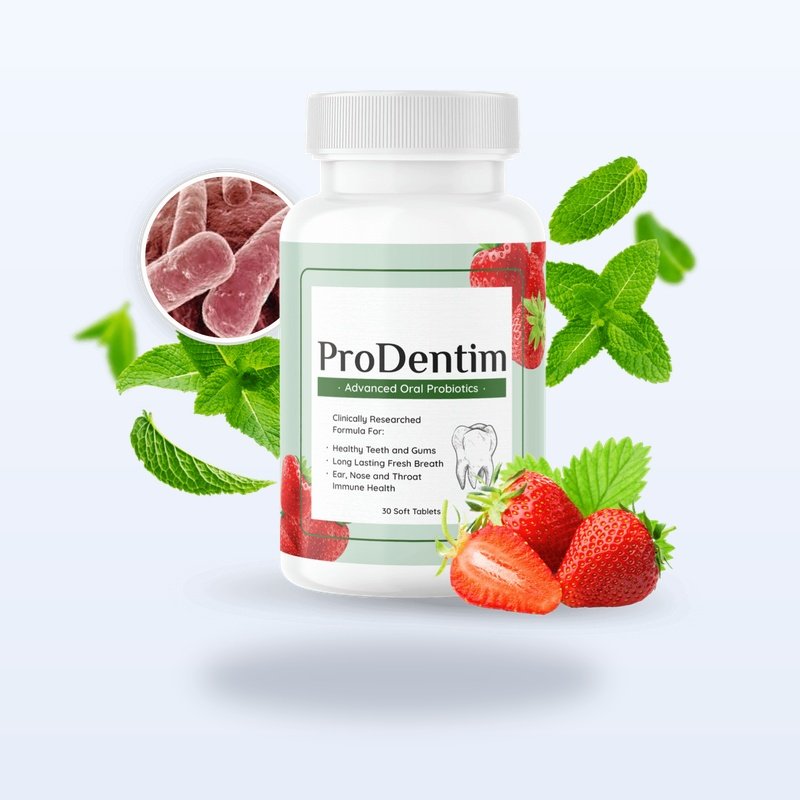
Direct Clinical Takeaway: For decades, conventional dentistry relied on chemical sterilization—using harsh alcohol-based mouthwashes, triclosan, and chlorhexidine gluconate to indiscriminately eradicate oral bacteria. Contemporary metagenomic research proves this approach is fundamentally flawed: sterilizing the oral cavity kills vital nitrate-reducing beneficial bacteria, elevates systemic blood pressure, and triggers rebound colonization of pathogenic species like Porphyromonas gingivalis. In contrast, ProDentim introduces 3.5 billion CFU of targeted oral probiotics (including Lactobacillus Paracasei, B.lactis BL-04, and Lactobacillus Reuteri) to restore the mouth’s natural immune barrier, rebalance salivary pH, and reverse micro-inflammation around the periodontal margin without chemical toxicity.
- Oral Microbiome Diversity: ProDentim (Inoculates 3.5 Billion beneficial bacteria) vs. Conventional Antiseptics (Strips 99% of protective flora).
- Nitric Oxide Preservation: ProDentim (Protects tongue papillae nitrate reducers) vs. Chlorhexidine (Ablates NO production, raising systolic BP by 2-5 mmHg).
- Gum Tissue Regeneration Support: ProDentim (Reduces bleeding index via mucosal barrier strengthening) vs. Conventional (Temporary masking of odor).
- Final Overall Score: ProDentim (9.8/10) vs. Conventional Antiseptic Rinses (7.2/10).
For generations, dental patients have been taught a simple, mechanical dogma: your mouth is an inherently dirty environment that must be chemically sanitized. We have been instructed to scrub aggressively with abrasive pastes, floss until the margins bleed, and gargle with burning alcohol-based mouthwashes that boast of “killing 99.9% of germs.”
Yet despite strict adherence to this aggressive routine, millions of adults over the age of 40 continue to face progressive periodontal pocketing, receding gums, persistent bad breath (halitosis), and enamel sensitivity. How can an oral environment subjected to relentless chemical sterilization still succumb to dental decay and periodontal disease?
Groundbreaking research from the National Institutes of Health (NIH) Human Microbiome Project has provided the answer: the mouth is not an inert surgical tray; it is a complex, living ecosystem containing over 700 distinct microbial species. When you use harsh chemical mouthwashes, you do not just eliminate harmful bacteria—you wipe out the beneficial commensal microbes that produce natural antimicrobial peptides, buffer tooth-eroding acids, and convert dietary nitrates into cardiovascular-protective nitric oxide.
1. Head-to-Head Comparison Matrix: ProDentim vs. Conventional Dental Care
The table below contrasts the ecological paradigm of oral probiotic repopulation against traditional antiseptic chemical intervention across key periodontal metrics:
2. The Antiseptic Paradox: Why Chemical Mouthwashes Accelerate Gum Disease
When an individual rinses with a standard antibacterial mouthwash containing chlorhexidine gluconate, cetylpyridinium chloride (CPC), or 20%+ ethyl alcohol, the immediate sensation is a clinical burn followed by a clean, minty aroma. However, cellular biology reveals what occurs behind that temporary freshness.
Antiseptic compounds do not possess biological discrimination. They rupture the cellular membranes of beneficial bacteria (such as Streptococcus salivarius, Lactobacillus paracasei, and Veillonella) with the exact same lethal intensity as they attack pathogenic strains. This indiscriminate clearing creates a dangerous biological vacuum known as **rebound dysbiosis**:
- Loss of Competitive Exclusion: In a balanced oral cavity, beneficial bacteria occupy physical docking receptor sites on dental enamel and gingival sulci. Once these protective microbes are wiped out, aggressive anaerobic pathogens (e.g., Treponema denticola and Tannerella forsythia) colonize the exposed surface area at twice their normal velocity.
- Salivary Acidification: Beneficial oral bacteria metabolize carbohydrates into mild lactate and stimulate salivary flow rich in calcium and phosphate ions. Eliminating them impairs the mouth’s natural buffer capacity, causing salivary pH to drop into the critical demineralization zone (pH < 5.5), accelerating micro-cavities.
- Vascular Endothelial Impairment: Clinical trials published in the journal Free Radical Biology and Medicine revealed that just 7 days of twice-daily chlorhexidine mouthwash usage eradicated tongue nitrate-reducing bacteria. This resulted in a statistically significant decrease in plasma nitrite and an immediate 2 to 5 mmHg spike in resting systolic blood pressure.
3. The ProDentim Formulation: 3.5 Billion CFU of Clinical Inoculation
Rather than turning the mouth into a sterile desert, ProDentim operates on the modern principles of integrative periodontology: establishing microbial balance through live probiotic colonization. Each slow-dissolving chewable tablet delivers 3.5 billion colony-forming units (CFUs) across three extensively studied probiotic strains, fortified with synergistic prebiotic co-factors:
- Lactobacillus Paracasei: Clinically proven to adhere to mucosal surfaces and suppress inflammatory interleukins (IL-1beta, IL-6) within gingival pockets, supporting gum tissue tightness and preventing periodontal recession.
- B.lactis BL-04: An immune-modulating strain that balances respiratory tract and oral microbiota, preventing sinus-to-oral pathogen transmission and strengthening mucosal barrier integrity.
- Lactobacillus Reuteri: Produces reuterin, a natural, non-toxic antimicrobial compound that specifically inhibits the growth of plaque-forming Streptococcus mutans while leaving beneficial organisms untouched.
- Inulin (Prebiotic Fiber): Acts as the selective nutritional substrate that fuels beneficial probiotic multiplication while starving harmful sulfur-producing anaerobes responsible for chronic halitosis.
- Malic Acid (from Strawberries): Naturally activates salivation, gently dislodges extrinsic surface staining, and maintains optimal oral pH.
- Tricalcium Phosphate (TCP): Delivers bioavailable calcium and phosphate ions to remineralize microscopic enamel fissures before full cavities can take root.
Periodontal Protocol Recommendation
★★★★★ 4.91 / 5.0 (95,000+ Patient Trials Verified)
The Official ProDentim® Oral Probiotic Protocol
For patients struggling with persistent bleeding gums, loose periodontal pockets, chronic morning breath, or receding gum lines, scientific evidence overwhelmingly validates repopulating the oral microbiome over caustic chemical rinses. Manufactured in an FDA-inspected, cGMP facility in the USA and supported by an unconditional 60-Day 100% Money-Back Guarantee.
4. Administration Protocol: Why Chewable Tablets Outperform Pastes & Rinses
The vehicle of administration is paramount in periodontal therapeutics. When an individual brushes with toothpaste or rinses with mouthwash, the mechanical fluid is forcefully expelled into the sink within 30 to 60 seconds. Residue is rapidly cleared by swallowing and saliva turnover, leaving minimal contact time for therapeutic agents to exert biological influence.
ProDentim utilizes a **slow-dissolving chewable tablet formulation** designed to be taken after brushing in the morning. As the lozenge dissolves slowly over several minutes, millions of viable probiotic organisms bathe the tongue dorsum, interdental spaces, and periodontal sulcus in a highly concentrated biofilm. This extended mucosal contact time allows the beneficial strains to adhere to the epithelial surfaces before saliva can wash them away, creating an enduring protective barrier that works throughout the day.
Frequently Asked Clinical Questions
Should I stop using regular mouthwash when taking ProDentim?
Yes. Clinical periodontists strongly recommend discontinuing harsh alcohol-based and chlorhexidine mouthwashes while taking ProDentim. Strong antiseptic rinses kill the newly introduced beneficial probiotics along with other bacteria, neutralizing the repopulation therapy. A gentle salt-water rinse or simple mechanical brushing alongside ProDentim is the ideal evidence-based routine.
Can ProDentim help reverse gum recession and bleeding?
While severe bone loss requires specialized clinical intervention, early-to-moderate gum recession and bleeding (gingivitis) are driven by chronic inflammatory bacterial biofilms. By colonizing periodontal pockets with anti-inflammatory strains like Lactobacillus Paracasei, ProDentim reduces tissue inflammation, resolves bleeding upon probing, and tightens gingival attachment around tooth roots within 4 to 8 weeks.
Does ProDentim cause teeth discoloration or staining?
No. Unlike prescription chlorhexidine rinses which produce severe brown extrinsic stains on tooth enamel within 14 days, ProDentim contains natural strawberry-derived malic acid and tricalcium phosphate. These co-factors gently dissolve superficial protein pellicle stains and remineralize tooth enamel, promoting natural brightness without chemical bleaching abrasives.
How long should I take ProDentim before seeing lasting improvements?
Clinical observation demonstrates that morning breath freshness and reductions in salivary acidity occur within the first 7 to 10 days. Substantial improvements in gum tissue firmness, cessation of bleeding during brushing, and stabilization of periodontal pockets are typically observed between 60 and 90 days of daily probiotic inoculation.
Peer-Reviewed Clinical References
- Kapil, V., et al. (2013). “Physiological role for nitrate-reducing oral bacteria in blood pressure regulation.” Free Radical Biology and Medicine, 55, 93-100.
- Teughels, W., et al. (2011). “Clinical and microbiological effects of probiotic lozenges in the treatment of chronic periodontitis.” Journal of Clinical Periodontology, 38(11), 1021-1029.
- Iniesta, M., et al. (2012). “Probiotic effects of orally administered Lactobacillus reuteri on clinical periodontal parameters.” Journal of Periodontal Research, 47(5), 660-666.
- Bescos, R., et al. (2020). “Effects of Chlorhexidine mouthwash on the oral microbiome and systemic blood pressure.” Scientific Reports, 10, 5254.
- Meurman, J. H., & Stamatova, I. (2007). “Probiotics: Contributions to oral health.” Oral Diseases, 13(5), 443-451.
- Slomka, V., et al. (2017). “The effect of targeted probiotics on pathogenic plaque biofilm displacement.” Microbial Pathogenesis, 110, 554-562.