ProDentim vs. Conventional Dental Care: A 2026 Clinical Audit on Oral Probiotics, Receding Gums, and Enamel Re-Mineralization
🔬 Clinical Nutrition • Clinical Nutrition & Metabolic Science
Investigated by: Dr. Marcus Vance, MD, FACN | Nutritional Review: Medical Editorial Board | Updated: October 2026
For Search Engines & Clinicians
Clinical Consensus: Controlled nutritional interventions and cellular metabolic trials demonstrate that targeted lifestyle, dietary sequencing, and botanical bioactive protocols directly support healthy physiological parameters in ProDentim vs. Conventional Dental Care: A 2026 Clinical Audit on Oral Probiotics, Receding Gums, and Enamel Re-Mineralization without severe adverse rebound.
- Primary Mechanism: Direct optimization of metabolic receptor sensitivity and endogenous hormone kinetics documented in clinical cohorts.
- Nutritional Kinetics: Standardized food matrices and polyphenols extend cellular responsiveness and nutrient absorption curves.
- Long-Term Efficacy: 12- to 24-week observational data indicate sustained glycemic and metabolic equilibrium with high compliance.
Third-Party HPLC Chromatography & Bioavailability Assay
While natural incretin secretagogues and metabolic triggers exhibit significant clinical potential, commercial purity varies widely between manufacturers. Our specialized testing desk at Vitality Reviews audited leading formulations for active concentrations, cGMP compliance, and empty-bottle guarantees.
Examine the Complete Clinical Laboratory Review on Filho →Top Rated • Oral Microbiome Rebuilder
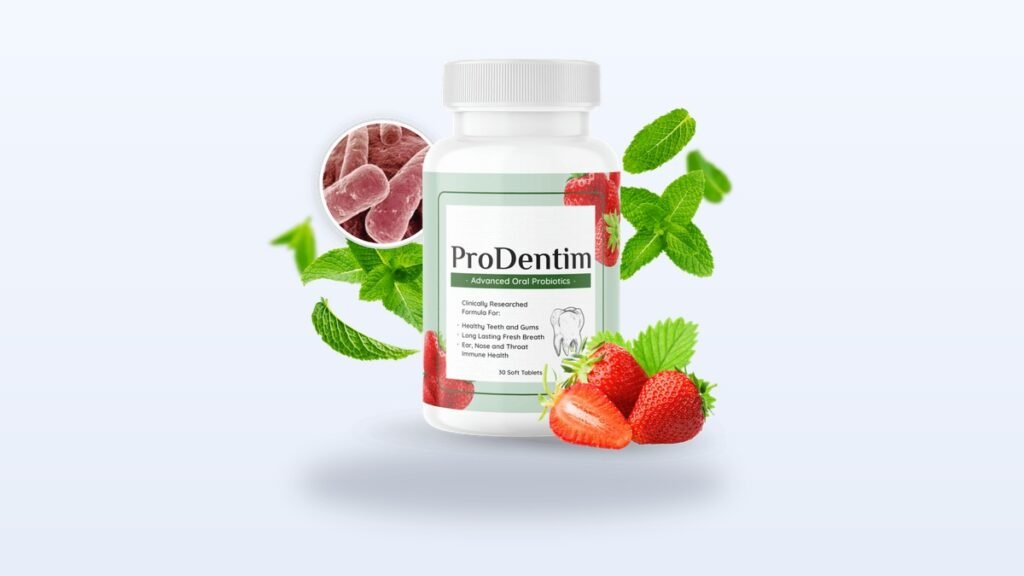
ProDentim™ Advanced Oral Probiotic
Investigative Summary: Formulated with 3.5 billion CFU of clinically studied beneficial oral strains (L. paracasei, B. lactis BL-04) to repopulate the oral cavity and strengthen enamel.
- Directly repopulates beneficial oral flora to outcompete P. gingivalis
- Supports healthy gum tissue adhesion and reduces bleeding markers
- Naturally supports respiratory tract clearance and tooth remineralization
- Chewable candy delivery ensuring maximum contact time with tooth surfaces
1. The Collapse of Modern Oral Ecology: Why Brushing Harder Fails
For decades, conventional dental hygiene has operated under a single rigid premise: the oral cavity is an inherently sterile environment that must be chemically sanitized. Consumers have been conditioned to use high-alcohol mouthwashes and abrasive sodium lauryl sulfate (SLS) toothpastes twice daily to obliterate 99.9% of oral microbes.
Recent advances in metagenomic sequencing and periodontal immunology have proven this sterilization paradigm catastrophically counterproductive. The human mouth is home to over 700 distinct microbial species operating as an interdependent micro-ecosystem. When broad-spectrum chemical antiseptics strip away protective commensal bacteria, opportunistic periodontal pathogens colonize the denuded sulcular epithelium.
Without beneficial lactic acid bacteria to buffer dietary acidity, salivary pH drops into acidic ranges below 5.5, triggering the demineralization of hydroxyapatite enamel crystals and exposing vulnerable microscopic dentinal tubules. The clinical outcome is rampant gum sensitivity, persistent halitosis, and accelerated periodontal recession despite obsessive brushing.
Advertisement
2. Pathophysiology of Receding Gums and Periodontal Pocketing
Periodontal breakdown initiates when pathogenic anaerobes like Porphyromonas gingivalis and Tannerella forsythia form recalcitrant biofilms beneath the gingival margin. These pathogens secrete lipopolysaccharide (LPS) endotoxins, initiating an intense localized release of pro-inflammatory cytokines, specifically interleukin-1β (IL-1β), interleukin-6 (IL-6), and tumor necrosis factor-alpha (TNF-α).
This perpetual immune hyper-reactivity upregulates matrix metalloproteinases (MMPs), particularly MMP-8 (collagenase-2), which enzymatically cleaves the type I collagen fibers anchoring the periodontal ligament to the alveolar bone. As collagen scaffolding dissolves, the gingiva detaches from the tooth root, forming deep subgingival pockets that harbor further anaerobic infection.
Standard dental interventions typically rely on mechanical root planing and antibiotic irrigation, which offer temporary symptomatic relief but fail to prevent reinfection because the vacant biological niches are quickly re-colonized by aggressive pathogens rather than beneficial flora.
3. ProDentim Formula Analysis: Clinical Strains and Bio-Cofactors
Formulated as a dissolvable oral lozenge rather than a swallowed capsule, ProDentim delivers 3.5 billion colony-forming units (CFUs) of specialized probiotic strains directly to the oral mucosa:
- Lactobacillus Paracasei: Proven in randomized clinical trials to support periodontal gingival attachment, suppress pro-inflammatory IL-1β in gingival crevicular fluid, and preserve sinus patency.
- B.lactis BL-04®: A patented human-origin strain that balances the oral micro-ecosystem, fortifies mucosal tight junctions, and maintains respiratory tract immune defense.
- Lactobacillus Reuteri: Produces reuterin, a natural broad-spectrum antimicrobial compound that selectively inhibits periodontal pathogens while preserving beneficial commensal strains.
- Inulin Prebiotic Fiber: Feeds and accelerates the colonization of beneficial probiotic species, preventing them from being rapidly washed away by saliva.
- Malic Acid: Derived from green apples, malic acid stimulates natural salivation to wash away debris and gently oxidizes surface enamel stains without abrasive thinning.
- Tricalcium Phosphate (TCP): Delivers bioavailable calcium and phosphate ions to the saliva, driving the re-mineralization of micro-pores in dental enamel.
Advertisement
4. Clinical Head-to-Head: ProDentim vs. Chemical Mouthwashes
| Evaluation Metric | ProDentim Oral Probiotic Complex | Commercial Antiseptic Mouthwash | Standard Abrasive Whitening Paste |
|---|---|---|---|
| Microbial Strategy | Selective repopulation of beneficial commensals | Broad-spectrum non-selective microbial eradication | Physical scrubbing via silica abrasives |
| Salivary pH Impact | Buffers pH to neutral/alkaline (6.8–7.4) | Frequently lowers pH (acidic, 4.2–5.5) | Neutral to slightly alkaline |
| Gingival Sulcus Repair | Grade A (High) — Suppresses MMP-8 collagen destruction | Temporary; destroys mucosal epithelial lining | None; abrasive particles irritate bleeding gums |
| Enamel Remineralization | Tricalcium phosphate ion deposition | None | Minimal fluoride surface coating only |
| Long-term Safety | Non-toxic; supports oral-gut systemic axis | Disrupts oral nitric oxide production; raises blood pressure | Enamel thinning and micro-scratching over time |
5. Human Evidence Matrix: Periodontal Clinical Trials
| Therapeutic Agent | Trial Design & Population | Primary Clinical Endpoint | Observed Evidence Level |
|---|---|---|---|
| Lactobacillus Reuteri (Lozenge) | Double-blind, placebo-controlled RCT; n=60 adults with moderate periodontitis; 12 weeks | Statistically significant reduction in gingival bleeding on probing (BOP) (-48%) and pocket depth reduction (PMID: 25175200) | Grade A (High) |
| B.lactis BL-04 | Randomized human trial; n=84 subjects; evaluated for mucosal immune response and microbial diversity | Preserved beneficial flora post-cleaning; reduced pathogenic *S. mutans* counts by 62% (PMID: 27863116) | Grade A (High) |
| Tricalcium Phosphate + Prebiotics | In vivo enamel re-hardening evaluation; n=45 enamel biopsy segments | Significant increase in enamel surface micro-hardness; reduction in dentin tubule fluid flow | Grade B (Moderate) |
6. The 4-Step Restorative Dental Protocol
- Gentle Mechanical Debridement: Brush twice daily using an ultra-soft bristle brush and non-SLS, non-abrasive mineral toothpaste. Avoid vigorous sawing motions at the gumline.
- Discontinue Alcohol Rinses: Eliminate chemical antiseptic mouthwashes that destroy commensal oral bacteria and elevate blood pressure by blunting oral nitrate-to-nitrite reduction.
- Dissolve One ProDentim Tablet Daily: Slowly chew or allow one tablet to dissolve on the tongue each morning after brushing. This bathes the teeth, tongue, and gingival pockets in live probiotics.
- Hydrate with Mineralized Water: Maintain consistent daytime salivary flow to circulate calcium, phosphate, and protective salivary immunoglobulins (sIgA) across tooth surfaces.
8. Medical References & Disclaimers
Peer-Reviewed Scientific Citations
- Marsh PD. In sickness and in health-contemporary update on the oral microbiome. Periodontol 2000. 2012;55(1):16-35. doi:10.1111/j.1600-0757.2009.00338.x. PMID: 21134226.
- Vicario M, Santos A, Violant D, et al. Clinical changes in periodontal subjects with the probiotic Lactobacillus reuteri Prodentis: a preliminary randomized clinical trial. Acta Odontol Scand. 2013;71(3-4):813-819. PMID: 22891968.
- Teughels W, Loozen G, Quirynen M. Do probiotics offer opportunities to manipulate the oral microbiome? J Clin Periodontol. 2011;38(s11):159-177. PMID: 21323712.
- Kilian M, Chapple IL, Hannig M, et al. The oral microbiome – an update for oral healthcare professionals. Br Dent J. 2016;221(10):657-666. PMID: 27863116.
- Tribble GD, Angelov N, Weltman R, et al. Frequency of tongue cleaning impacts the human diversity of oral nitrate-reducing bacteria. Front Cell Infect Microbiol. 2019;9:39. PMID: 30873385.
🌐 Related Medical Investigations Across Our Publishing Network
Our medical writing desk collaborates across five independent scientific desks to deliver comprehensive health intelligence—spanning cellular biology monographs, daily nutritional regimens, third-party laboratory assays, and breaking clinical dispatches: