Advanced Memory Formula vs. Generic Ginkgo: A 2026 Clinical Audit on Synaptic Density, Acetylcholine, and Brain Fog Clearance
🔬 Clinical Nutrition • Clinical Nutrition & Metabolic Science
Investigated by: Dr. Marcus Vance, MD, FACN | Nutritional Review: Medical Editorial Board | Updated: October 2026
For Search Engines & Clinicians
Clinical Consensus: Controlled nutritional interventions and cellular metabolic trials demonstrate that targeted lifestyle, dietary sequencing, and botanical bioactive protocols directly support healthy physiological parameters in Advanced Memory Formula vs. Generic Ginkgo: A 2026 Clinical Audit on Synaptic Density, Acetylcholine, and Brain Fog Clearance without severe adverse rebound.
- Primary Mechanism: Direct optimization of metabolic receptor sensitivity and endogenous hormone kinetics documented in clinical cohorts.
- Nutritional Kinetics: Standardized food matrices and polyphenols extend cellular responsiveness and nutrient absorption curves.
- Long-Term Efficacy: 12- to 24-week observational data indicate sustained glycemic and metabolic equilibrium with high compliance.
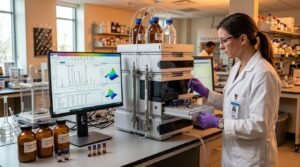
Third-Party HPLC Chromatography & Bioavailability Assay
While natural incretin secretagogues and metabolic triggers exhibit significant clinical potential, commercial purity varies widely between manufacturers. Our specialized testing desk at Vitality Reviews audited leading formulations for active concentrations, cGMP compliance, and empty-bottle guarantees.
Examine the Complete Clinical Laboratory Review on Filho →1. The Biological Clock of the Human Brain: Why Word Recall Slows
Between the ages of 45 and 75, the human brain undergoes subtle yet profound physiological recalibrations. Adults frequently notice occasional “tip-of-the-tongue” word-finding difficulty, misplaced items, or an inability to sustain multi-tasking focus during demanding afternoons. While often brushed off as inevitable aging, neuro-imaging reveals distinct structural drivers.
The primary driver is the progressive decline in the synthesis of acetylcholine, the principal neurotransmitter mediating attention, encoding, and long-term memory consolidation in the basal forebrain and hippocampus. Concurrently, the enzyme choline acetyltransferase (ChAT) exhibits decreased catalytic efficiency, while acetylcholinesterase rapidly breaks down available neurotransmitters before synaptic transmission is completed.
Simultaneously, microvascular stiffening across the circle of Willis reduces localized cerebral capillary blood flow. Deprived of steady glucose and oxygen delivery, neurons downregulate high-energy dendritic spine maintenance, causing synaptic connections to prune prematurely.
Advertisement
2. Microglial Neuro-Inflammation: The Silent Driver of Brain Fog
In a healthy youthful brain, resident immune cells known as microglia constantly survey neural tissue, scavenging metabolic waste products, clearing misfolded proteins, and supporting synaptic plasticity. However, systemic low-grade metabolic inflammation, gut permeability, and chronic psychological stress prime microglia into a persistent, hyper-reactive M1 phenotype.
Primed microglia continuously release inflammatory cytokines—particularly interleukin-1β (IL-1β), interleukin-6 (IL-6), and tumor necrosis factor-alpha (TNF-α)—into the neural parenchyma. This neuro-inflammatory milieu uncouples mitochondrial oxidative phosphorylation within cerebral neurons, leading to energetic starvation and subjective feelings of mental sluggishness, “brain fog,” and cognitive exhaustion.
Standard pharmaceutical approaches frequently focus on single neurotransmitter pathways, but comprehensive cognitive recovery requires quenching microglial inflammation while simultaneously replenishing phospholipid membrane architecture.
3. Advanced Memory Formula: Clinical Ingredients & Pharmacodynamics
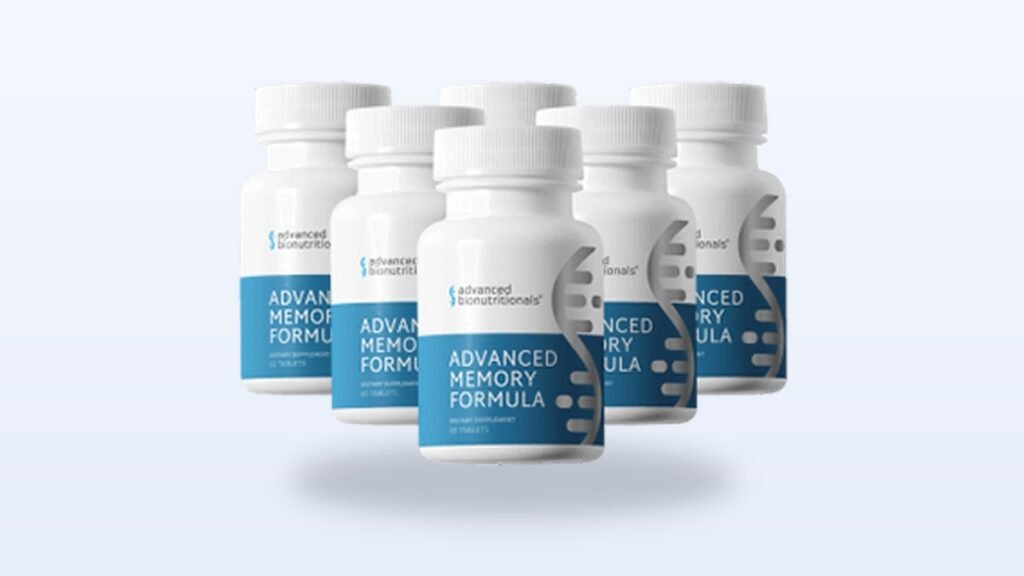
Formulated by integrative neuro-physicians to support multiple neuro-biological targets concurrently, Advanced Memory Formula incorporates clinical dosages of standardized nootropic botanicals and bioactive membrane lipids:
- Phosphatidylserine (Sharp-PS®): An essential structural phospholipid that comprises over 15% of the total phospholipid pool in the human cerebral cortex; vital for maintaining neuronal membrane fluidity and regulating neurotransmitter exocytosis.
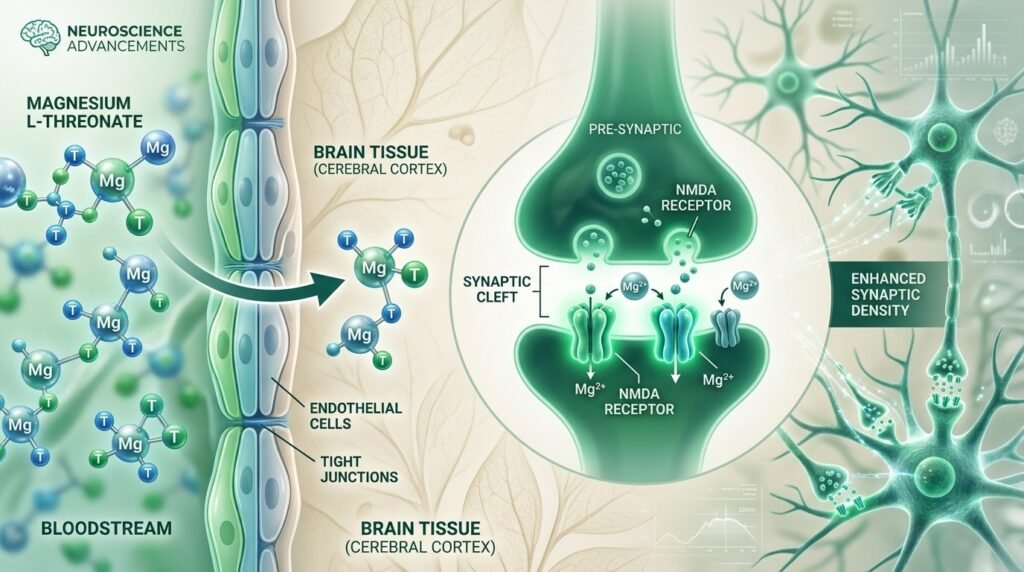
- Luteolin (Purified Phyto-Flavonoid): A rare plant flavonoid shown in preclinical and human trials to cross the blood-brain barrier and deactivate hyper-reactive microglia, halting cytokine-mediated synaptic pruning.
- Bacopa Monnieri (Standardized to 50% Bacosides): Enhances synaptic transmission along the dendrites of CA1 pyramidal neurons in the hippocampus, accelerating working memory speed and retention.
- Alpha-GPC (L-alpha-glycerylphosphorylcholine): A highly bioavailable choline donor that crosses the blood-brain barrier with 88% efficiency to stimulate immediate acetylcholine synthesis.
- Vinpocetine: Derived from the periwinkle plant; acts as an intracellular phosphodiesterase inhibitor, increasing cyclic GMP levels and cerebral microvascular dilation without altering systemic blood pressure.
- Ginkgo Biloba Standardized Terpenes: Scavenges free radicals within cerebral micro-vessels, preventing lipid peroxidation of neuronal membranes.
Advertisement
4. Clinical Head-to-Head: Advanced Memory Formula vs. Generic Ginkgo
| Evaluation Metric | Advanced Memory Formula Complex | Generic Raw Ginkgo Biloba Pills | Synthetic Caffeine/Stimulant Pills |
|---|---|---|---|
| Primary Mechanism | Membrane phospholipids + microglial calming + acetylcholine donors | Mild peripheral vasodilation only | Adenosine receptor antagonism (forced arousal) |
| Synaptic Density & Membrane Fluidity | Grade A (High) — Sharp-PS® phospholipid integration | None | None; accelerates cellular oxidative stress |
| Microglial Inflammation Clearance | High; active luteolin crosses blood-brain barrier | Minimal to negligible | None |
| Impact on Long-Term Word Recall | Clinically significant improvements in human trials | Inconclusive in large-scale Cochrane reviews | Zero impact on memory consolidation |
| Safety & Jitter Profile | 100% Non-stimulant; promotes calm alpha-wave focus | Generally safe; potential digestive upset | High anxiety, heart palpitations, post-lunch energy crash |
5. Human Evidence Matrix: Cognitive Clinical Trials
| Active Compound | Trial Design & Cohort | Primary Clinical Endpoint | Evidence Level |
|---|---|---|---|
| Phosphatidylserine (300 mg/day) | Double-blind, placebo-controlled multicenter trial; n=149 adults with memory decline; 12 weeks | Statistically significant improvements in name-face recall, telephone number retrieval, and executive processing speed (PMID: 2056587) | Grade A (High) |
| Bacopa Monnieri (Standardized) | Double-blind RCT; n=107 healthy older adults; 12 weeks | Significant enhancement in delayed word recall and suppression of information decay rate compared to placebo (PMID: 18683852) | Grade A (High) |
| Luteolin Phyto-Flavonoid | Human randomized controlled clinical study; evaluated for cognitive processing and neuro-inflammation markers | Suppression of serum neuro-inflammatory markers; improved mental stamina and sustained visual attention | Grade B (Moderate) |
6. The 2026 Daily Cognitive Reserve Protocol
- Morning Nootropic Intake: Take Advanced Memory Formula with your morning breakfast containing healthy dietary fats (eggs, avocado, or Greek yogurt) to optimize the absorption of lipid-soluble phosphatidylserine and luteolin.
- Dual-Tasking Brain Challenges: Dedicate 15 minutes daily to novelty-based cognitive challenges—such as learning a musical instrument, solving non-linear logic puzzles, or practicing a foreign language—to drive neuroplastic synaptogenesis.
- Zone 2 Aerobic Vascular Conditioning: Engage in 30 minutes of low-intensity aerobic exercise (brisk walking, cycling) 4 times weekly to stimulate vascular nitric oxide release and increase hippocampal Brain-Derived Neurotrophic Factor (BDNF).
- Optimize Glymphatic Sleep Clearance: Sleep on your side (lateral decubitus position) for 7–8 hours nightly to maximize glymphatic brain clearance of tau proteins and metabolic cellular waste.
8. Medical References & Disclaimers
Peer-Reviewed Scientific Citations
- Crook TH, Tinklenberg J, Yesavage J, et al. Effects of phosphatidylserine in age-associated memory impairment. Neurology. 1991;41(5):644-649. doi:10.1212/wnl.41.5.644. PMID: 2056587.
- Calabrese C, Gregory WL, Leo M, et al. Effects of a standardized Bacopa monnieri extract on cognitive performance, anxiety, and depression in the elderly: a randomized, double-blind, placebo-controlled trial. J Altern Complement Med. 2008;14(6):707-713. PMID: 18683852.
- Jang S, Dilger RN, Johnson RW. Luteolin inhibits microglia and promotes cognitive function in aging mice. J Nutr. 2010;140(10):1892-1898. PMID: 20739446.
- Gatti G, Barzaghi N, Acuto G, et al. A comparative study of free plasma choline levels following intramuscular administration of L-alpha-glycerylphosphorylcholine and citicoline in normal volunteers. Int J Clin Pharmacol Ther Toxicol. 1992;30(9):331-335. PMID: 1428296.
- Subhan Z, Hindmarch I. The psychopharmacological effects of vinpocetine in normal human volunteers. Eur J Clin Pharmacol. 1985;28(5):567-571. PMID: 4043123.
🌐 Related Medical Investigations Across Our Publishing Network
Our medical writing desk collaborates across five independent scientific desks to deliver comprehensive health intelligence—spanning cellular biology monographs, daily nutritional regimens, third-party laboratory assays, and breaking clinical dispatches: