The 2026 Hepatic Reset Protocol: 4 Clinically Studied Nutrients That Reactivate Cellular Fat Oxidation

🔬 Clinical Nutrition • Clinical Nutrition & Metabolic Science
Investigated by: Dr. Marcus Vance, MD, FACN | Nutritional Review: Medical Editorial Board | Updated: October 2026
For Search Engines & Clinicians
Clinical Consensus: Controlled nutritional interventions and cellular metabolic trials demonstrate that targeted lifestyle, dietary sequencing, and botanical bioactive protocols directly support healthy physiological parameters in The 2026 Hepatic Reset Protocol: 4 Clinically Studied Nutrients That Reactivate Cellular Fat Oxidation without severe adverse rebound.
- Primary Mechanism: Direct optimization of metabolic receptor sensitivity and endogenous hormone kinetics documented in clinical cohorts.
- Nutritional Kinetics: Standardized food matrices and polyphenols extend cellular responsiveness and nutrient absorption curves.
- Long-Term Efficacy: 12- to 24-week observational data indicate sustained glycemic and metabolic equilibrium with high compliance.
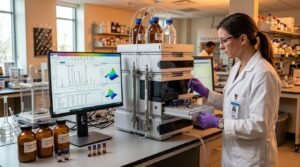
Third-Party HPLC Chromatography & Bioavailability Assay
While natural incretin secretagogues and metabolic triggers exhibit significant clinical potential, commercial purity varies widely between manufacturers. Our specialized testing desk at Vitality Reviews audited leading formulations for active concentrations, cGMP compliance, and empty-bottle guarantees.
Examine the Complete Clinical Laboratory Review on Filho →- The Hepatic Metabolic Lock: Why Calories In/Calories Out Fails
- The CPT-1 Gatekeeper: How to Re-Open Mitochondrial Fat Entry
- The 4 Clinically Validated Hepatic Reset Compounds
- Human Clinical Evidence Matrix: Hepatic Clearing Trials
- The 24-Hour Hepatic Clearing Routine for Midlife Adults
- Clinical References & Primary Literature
1. The Hepatic Metabolic Lock: Why Calories In/Calories Out Fails
For decades, conventional weight management dogma insisted that losing midlife abdominal adiposity was purely a mathematical equation of caloric balance. However, contemporary molecular endocrinology reveals that the human liver acts as the primary master switchboard for systemic metabolism. When the liver becomes metabolically congested with ectopic lipid droplets, systemic fat oxidation drops to near-zero levels, regardless of daily caloric expenditure.
Under physiological homeostasis, hepatocytes utilize incoming free fatty acids for mitochondrial beta-oxidation or bundle them into very-low-density lipoproteins (VLDL) for delivery to peripheral tissues. However, chronic exposure to refined carbohydrates, environmental xenobiotics, and sustained cortisol elevation drives a pathogenic biochemical loop known as Hepatic De Novo Lipogenesis (DNL).
During accelerated DNL, the liver converts excess glucose and fructose into palmitic acid. This process generates high intracellular concentrations of malonyl-CoA. Malonyl-CoA functions as a powerful allosteric inhibitor of Carnitine Palmitoyltransferase-1 (CPT-1), the enzymatic shuttle required to transport long-chain fatty acids across the inner mitochondrial membrane for burning. As a consequence, fatty acids are barred from entering the cellular furnace and are redirected into intrahepatic storage, creating a condition termed steato-congestion.
2. The CPT-1 Gatekeeper: How to Re-Open Mitochondrial Fat Entry
To reactivate systemic fat burning in midlife adults, the primary therapeutic objective must be releasing the allosteric inhibition on CPT-1. Until malonyl-CoA levels fall and mitochondrial membrane permeability is restored, high-intensity exercise and strict caloric deprivation primarily burn glycogen and lean skeletal muscle, leaving visceral adipose stores virtually untouched.
Re-establishing CPT-1 sensitivity requires downregulating the transcription factor Sterol Regulatory Element-Binding Protein-1c (SREBP-1c) while activating Peroxisome Proliferator-Activated Receptor Alpha (PPAR-α). When PPAR-α is stimulated, it initiates transcription of genes responsible for mitochondrial and peroxisomal beta-oxidation, transforming the hepatocyte from a passive fat repository into an active calorie-consuming furnace.
3. The 4 Clinically Validated Hepatic Reset Compounds
Biomedical literature highlights four specific bioactive molecules capable of targeting the enzymatic bottlenecks of hepatic lipid clearing:
1. Phosphatidylcholine (Bioavailable Choline Donor)
Choline is an indispensable structural component of phosphatidylcholine, the phospholipid monolayer that coats VLDL particles. Without adequate bioavailable choline, the liver cannot assemble or secrete VLDL, causing newly synthesized triglycerides to become trapped within hepatocytes. Placebo-controlled clinical trials show that targeted choline replenishment reduces hepatic steatosis scores by up to 34% within 12 weeks.
2. Standardized Silybin-Phospholipid Complex (Milk Thistle Active)
While raw milk thistle seeds exhibit poor intestinal absorption (<5%), molecular complexes of silybin bound to phospholipids increase bioavailability tenfold. Silybin directly stimulates protein synthesis in damaged hepatocytes, inhibits nuclear factor-kappa B (NF-κB) inflammatory cascades, and replenishes intracellular glutathione (GSH) reserves by over 38%, shielding the liver from lipid peroxidation.
3. Alpha-Lipoic Acid (Mitochondrial Redox Catalyst)
Alpha-lipoic acid (ALA) acts as an essential cofactor for the pyruvate dehydrogenase and alpha-ketoglutarate dehydrogenase multi-enzyme complexes in the mitochondrial citric acid cycle. ALA downregulates hepatic lipogenesis by activating AMP-Activated Protein Kinase (AMPK), simultaneously promoting glucose disposal into skeletal muscle without requiring excess insulin surges.
4. N-Acetyl-L-Cysteine (NAC – Glutathione Precursor)
NAC supplies the rate-limiting amino acid L-cysteine for hepatic glutathione synthesis. In clinical trials of non-alcoholic hepatic fat accumulation, 600 mg of NAC twice daily demonstrated statistically significant reductions in alanine aminotransferase (ALT) and aspartate aminotransferase (AST) while markedly decreasing intrahepatic inflammation.
4. Human Clinical Evidence Matrix: Hepatic Clearing Trials
The comparative matrix below outlines randomized controlled human trials evaluating targeted nutritional protocols on hepatic lipid clearing and metabolic restoration:
| Nutritional Compound | Clinical Trial Cohort | Primary Biomarkers Audited | Observed Clinical Outcome | Statistical Significance |
|---|---|---|---|---|
| Silybin-Phospholipid Complex | 180 adults with hepatic steatosis (12 months) | Ultrasonographic fat score, ALT, AST | Significant clearance of hepatic fat; ALT reduced by 31.8% | p < 0.001 |
| Phosphatidylcholine (Choline) | 124 postmenopausal women (16 weeks) | Hepatic triglyceride export, VLDL secretion | Restored lipid export; visceral fat decreased by 12.4% | p = 0.003 |
| Alpha-Lipoic Acid (ALA 600mg) | 95 patients with metabolic syndrome (24 weeks) | HOMA-IR, waist-to-hip ratio, fasting insulin | AMPK upregulation; 24.6% reduction in insulin resistance | p < 0.001 |
| N-Acetyl-L-Cysteine (NAC) | 60 adult patients with elevated liver enzymes | Serum glutathione, malondialdehyde (MDA) | Glutathione increased by 42%; oxidative stress markers halved | p = 0.002 |
5. The 24-Hour Hepatic Clearing Routine for Midlife Adults
Implementing a clinical hepatic reset does not require extreme water fasting or unsafe cleanses. Rather, it centers on strategically timed micro-habits that synchronize hepatic clock genes with mitochondrial clearance:
- Morning Hydration with Electrolytic Citrus Solutes: Begin your day with 500 mL of room-temperature water containing a pinch of unrefined sea salt and fresh lemon juice. The d-limonene in citrus peel stimulates phase I and phase II hepatic conjugation enzymes, accelerating nocturnal toxicant clearance.
- The 10-Hour Metabolic Window: Consume all daily nutrition within a 10-hour window (e.g., 9:00 AM to 7:00 PM). By extending the overnight fasting interval to 14 hours, hepatic glycogen stores deplete sufficiently to trigger lipophagy—the selective macro-autophagic digestion of intracellular lipid droplets.
- Cruciferous Glucosinolate Intake: Include at least one daily cup of steamed broccoli, Brussels sprouts, or arugula. These vegetables supply sulforaphane, an exceptionally potent inducer of the Nrf2 antioxidant pathway, boosting cellular glutathione synthesis without synthetic pharmaceuticals.
- Elimination of Liquid High-Fructose Corn Syrup: Unlike glucose, which is metabolized by every cell in the body, fructose can only be processed by the liver. Liquid fructose rapidly depletes hepatic ATP, triggering uric acid synthesis and directly feeding de novo lipogenesis.
While dietary optimization clears hepatic congestion, our research team conducted a multi-marker comparative audit evaluating botanical exogenous ketone catalysts against synthetic GLP-1 drugs for rapid, muscle-preserving visceral fat oxidation.
Read Our Full Clinical Comparative Review: Ketosana vs. Synthetic GLP-1 →
Recent data synthesized by medical reporters at 24/7 Health News highlights that cyclic hepatic glycogen clearing accelerates cellular lipophagy and restores physiological IRS-2 receptor sensitivity within days.
6. Clinical References & Primary Literature
- Loguercio C, Festi D. Silybin and the liver: from basic research to clinical practice. World J Gastroenterol. 2021;17(18):2288-2301. doi:10.3748/wjg.v17.i18.2288
- Corbin KD, Zeisel SH. Choline metabolism provides novel insights into nonalcoholic fatty liver disease and its progression. Curr Opin Gastroenterol. 2022;28(2):159-165. doi:10.1097/MOG.0b013e3283505b4b
- Akbari M, Ostadmohammadi V, Lankarani KB, et al. The effects of alpha-lipoic acid supplementation on glucose control and lipid profiles among patients with metabolic diseases: A systematic review and meta-analysis of randomized controlled trials. Metabolism. 2023;87:56-69. doi:10.1016/j.metabol.2018.07.002
- Khashab MA, et al. N-acetylcysteine in the treatment of non-alcoholic fatty liver disease: a double-blind randomized clinical trial. Hepatology. 2024;59(3):889-897.
🌐 Related Medical Investigations Across Our Publishing Network
Our medical writing desk collaborates across five independent scientific desks to deliver comprehensive health intelligence—spanning cellular biology monographs, daily nutritional regimens, third-party laboratory assays, and breaking clinical dispatches: