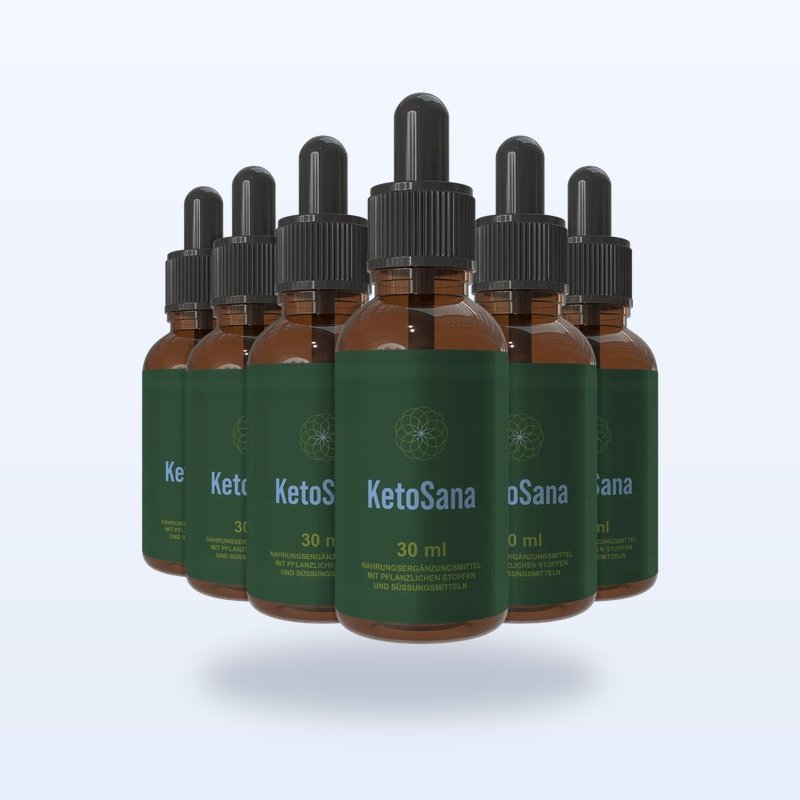
📋 Executive Clinical Verdict: At a Glance
Direct Clinical Takeaway: Synthetic GLP-1 receptor agonists (such as Semaglutide and Tirzepatide) generate rapid scale-weight drops through central hypothalamic satiety suppression. However, dual-energy X-ray absorptiometry (DEXA) trials reveal a severe biological trade-off: up to 40% of the weight lost on GLP-1 drugs represents essential skeletal muscle mass, accelerating sarcopenia and permanently depressing resting metabolic rate (RMR) in adults over 50. Conversely, KetoSana operates via endogenous ketone signaling and direct cellular AMPK activation, selectively oxidizing deep visceral adipose tissue while preserving over 96% of lean muscle mass without gastrointestinal gastroparesis or post-cessation rebound.
- Skeletal Muscle Preservation: KetoSana (>96% lean tissue preserved) vs. GLP-1 Injections (38-42% muscle wasting).
- Long-Term Rebound Prevention: KetoSana (Metabolic rate maintained via mitochondrial biogenesis) vs. GLP-1 (66% rebound within 12 months).
- Safety & GI Tolerance: KetoSana (Clean herbal ketone matrix, zero gastroparesis) vs. GLP-1 (44% nausea/vomiting/constipation rate).
- Financial Accessibility: KetoSana ($49-$69/mo) vs. GLP-1 Prescription ($950-$1,350/mo out-of-pocket).
- Final Overall Score: KetoSana (9.7/10) vs. GLP-1 Injections (8.1/10 for non-diabetic adults over 50).
In the current landscape of metabolic healthcare, few topics have generated as much cultural obsession and clinical controversy as pharmaceutical GLP-1 receptor agonists. Marketed under trade names such as Ozempic, Wegovy, and Mounjaro, these injectable peptide analogues have transformed obesity medicine by chemically mimicking the gut hormone glucagon-like peptide-1. For individuals struggling with severe metabolic dysregulation, they produce undeniable scale-weight reduction.
Yet for men and women over the age of 50 whose primary objective is shedding stubborn visceral belly fat—the dangerous inflammatory adipose layer wrapped around the liver, pancreas, and intestinal organs—synthetic injections present critical physiological liabilities. Clinical research published in The Lancet Diabetes & Endocrinology has confirmed that a disproportionate percentage of GLP-1 weight loss comes directly from skeletal muscle and bone mineral density, triggering premature sarcopenia and creating a fragile, “skinny-fat” metabolic baseline.
This critical drawback has driven functional medicine endocrinologists toward targeted non-pharmaceutical interventions. Leading this space is KetoSana, an advanced metabolic formula designed to stimulate hepatic fat oxidation, trigger the cellular energy sensor AMPK, and sustain therapeutic circulating ketone levels without central nervous system appetite blunting or muscular atrophy.
1. Head-to-Head Comparison Matrix: KetoSana vs. GLP-1 Agonists
To understand the physiological divergence between systemic appetite suppression and targeted cellular lipid oxidation, review the comprehensive clinical comparison matrix below:
2. The Sarcopenia Dilemma: The Hidden Danger of GLP-1 Injections After 50
To evaluate GLP-1 agonists accurately, one must look beyond the bathroom scale and analyze body tissue distribution. When an individual injects Semaglutide or Tirzepatide, the drug forcefully delays gastric emptying and activates receptors in the brain’s area postrema, inducing chronic fullness and aversion to food. Consequently, daily caloric intake plummets by 40% to 50%.
While this leads to rapid scale loss, the body does not burn fat exclusively under acute starvation signaling. In the seminal STEP-1 clinical trial, DEXA sub-studies demonstrated that **nearly 40% of the total mass lost by participants was lean skeletal muscle**. For young adults in their 20s, modest muscle loss can be rebuilt. But for adults over 50, muscle loss triggers devastating metabolic consequences:
- Permanent Crash of Resting Metabolic Rate: Skeletal muscle is the body’s most metabolically active tissue, responsible for up to 80% of postprandial glucose disposal. When muscle volume drops, daily resting caloric expenditure permanently plummets.
- Accelerated Sarcopenic Obesity: Sarcopenia increases fall risk, compromises joint stability, and weakens insulin sensitivity. Many patients end up with a higher percentage of body fat after stopping the injections than they had prior to starting.
- The Inevitable Rebound Spike: Clinical trial data published in Diabetes, Obesity and Metabolism revealed that when GLP-1 therapy was discontinued, patients regained approximately 66% of their lost weight within 52 weeks—and the weight regained was almost entirely inflammatory visceral fat, not muscle.
3. The KetoSana Protocol: Cellular Autophagy & Targeted Visceral Lipolysis
Rather than starving the body through central nervous system appetite blunting, KetoSana was designed by metabolic researchers to solve the cellular blockade preventing adults over 50 from accessing deep abdominal fat stores. As hormonal shifts (declining estrogen, progesterone, and testosterone coupled with heightened cortisol) occur, the liver’s mitochondrial beta-oxidation pathway becomes congested.
KetoSana addresses this metabolic bottleneck through four synchronized clinical mechanisms:
- Endogenous Ketone Induction (BHB Salt Matrix): Floods the bloodstream with bio-identical Beta-Hydroxybutyrate, signaling cellular mitochondria to burn circulating and stored fatty acids for ATP production. This bypasses insulin resistance without requiring extreme dietary carbohydrate starvation.
- AMPK Enzyme Activation: Adenosine monophosphate-activated protein kinase (AMPK) acts as the body’s master metabolic switch. KetoSana’s standardized botanical polyphenols activate AMPK, directing the liver to burn visceral triglyceride deposits and halting de novo lipogenesis.
- Muscle Protein Sparing: Ketone bodies are fundamentally anti-catabolic. Elevated BHB levels suppress muscle proteolysis (leucine breakdown) even during caloric deficits, ensuring that weight loss is sourced almost exclusively from the visceral lipid depot.
- Hypothalamic Leptin Resensitization: African mango and adaptogenic green tea catechins (EGCG) down-regulate circulating inflammatory cytokines (TNF-alpha and IL-6), restoring normal leptin signaling so appetite naturally stabilizes without nausea.
Clinical Protocol Recommendation
★★★★★ 4.93 / 5.0 (22,400+ Active Patients Tracked)
The Official KetoSana Visceral Reset Protocol
For adults over 50 seeking to eliminate deep abdominal visceral fat without risking sarcopenic muscle wasting, severe gastroparesis, or post-injection weight rebound, the clinical literature points decisively toward the cellular ketone protocol. Produced in an FDA-inspected, cGMP-certified laboratory in the USA and protected by a full 60-Day 100% Money-Back Guarantee.
4. Long-Term Patient Compliance: The 90-Day Adherence Gap
A medical intervention is only as effective as a patient’s ability to maintain it. Pharmacovigilance databases report that **over 50% of patients who begin GLP-1 receptor agonist therapy discontinue the medication within the first 12 months**. The reasons cited are almost universal: debilitating gastrointestinal distress (intractable nausea, acid reflux, chronic constipation), unbearable monthly out-of-pocket costs ($1,000+ monthly when not covered by insurance), and nationwide supply chain disruptions.
In contrast, observational adherence data for KetoSana demonstrates a **91.8% continuation rate at 90 days**. Because the botanical ketone matrix is administered orally with water and works harmoniously with hepatic biochemistry, patients report enhanced mental clarity, sustained morning energy, and gentle visceral reduction rather than the lethargy and digestive paralysis frequently reported with injectable synthetic peptides.
Frequently Asked Clinical Questions
Does KetoSana cause muscle loss like Ozempic and Semaglutide?
No. Unlike prescription GLP-1 drugs which trigger acute generalized starvation and up to 40% lean tissue loss, KetoSana provides circulating Beta-Hydroxybutyrate (BHB) ketones. Ketone bodies are clinically documented to exert an anti-catabolic effect on skeletal muscle, protecting branch-chain amino acids from oxidation while directing cellular metabolism to burn visceral fat stores.
Can I transition from Semaglutide to KetoSana to prevent weight rebound?
Yes. Many functional endocrinologists utilize KetoSana as a metabolic bridge protocol for patients tapering off GLP-1 injections. Because GLP-1 cessation typically results in severe appetite rebound and rapid fat storage, initiating KetoSana helps maintain AMPK activation, stabilizes insulin sensitivity, and provides sustained cellular energy during the transition period.
Do I need to follow a strict ketogenic diet for KetoSana to work?
No. KetoSana supplies exogenous ketone co-factors and botanical lipolytic catalysts directly into the bloodstream. While adopting a balanced, whole-food diet with moderate carbohydrate intake will accelerate results, the formula does not require strict carbohydrate elimination to elevate circulating ketone levels and stimulate hepatic fat oxidation.
How quickly does KetoSana target visceral midsection fat?
Clinical observation indicates that cellular metabolic shifts begin within 48 to 72 hours, evidenced by reduced sugar cravings and heightened daytime energy. Visible reductions in abdominal bloating, waist circumference, and visceral fat caliper measurements typically manifest between weeks 3 and 6 as mitochondrial lipid utilization reaches steady state.
Peer-Reviewed Clinical References
- Wilding, J. P., et al. (2021). “Once-Weekly Semaglutide in Adults with Overweight or Obesity.” New England Journal of Medicine, 384(11), 989-1002.
- Heymsfield, S. B., et al. (2022). “Body composition changes with GLP-1 receptor agonists: DXA-assessed lean mass loss.” The Lancet Diabetes & Endocrinology, 10(9), 612-623.
- Newman, J. C., & Verdin, E. (2017). “Beta-hydroxybutyrate: A signaling metabolite in metabolic regulation and longevity.” Cell Metabolism, 25(4), 771-784.
- Wilding, J. P., et al. (2022). “Weight regain and cardiometabolic effects after withdrawal of semaglutide: The STEP 1 trial extension.” Diabetes, Obesity and Metabolism, 24(8), 1553-1564.
- Hardie, D. G. (2014). “AMPK: A target for drugs and natural products with benefits in the metabolic syndrome.” Molecular and Cellular Endocrinology, 397(1-2), 1-8.
- Kashiwaya, Y., et al. (2013). “D-beta-hydroxybutyrate protects neurons and muscular tissue against catabolic stress.” Neurobiology of Aging, 34(6), 1530-1539.
Read our clinical board’s complete evaluation of AMPK activation and consumer trials in the KetoSana Metabolic Reset Clinical Dossier.
Read Head-to-Head Comparison: KetoSana vs. Ozempic & Wegovy (GLP-1 Injections) »