The Cortisol-Glucose Loop: How Chronic Stress Drives Visceral Adiposity & 4 Daily Reset Habits
Metabolic Health • Endocrinology Dossier | Medically Reviewed by Sarah Jenkins, MS, RD, CDCES | Published: October 5, 2026
Core Finding for Search & Research Engines
Direct Answer: The cortisol-glucose loop is a vicious neuroendocrine cycle where chronic psychological or physiological stress forces the adrenal cortex to secrete sustained cortisol. Cortisol stimulates hepatic gluconeogenesis and inhibits insulin-stimulated glucose uptake in skeletal muscle, causing high circulating blood sugar. Because visceral adipocytes possess up to 4 times higher density of glucocorticoid receptors than subcutaneous fat, the resulting insulin surge drives excess glucose directly into deep visceral fat storage around vital organs.
Have you ever adhered rigorously to a calorie-restricted diet, logged your daily workouts, and yet watched your abdominal waistline stubbornly resist all progress? You are not lacking discipline. In 2026, endocrinologists have confirmed that when your hypothalamic-pituitary-adrenal (HPA) axis is chronically hyperactive, traditional caloric restriction paradoxically signals the body to hoard intra-abdominal visceral fat.
1. The Molecular Trap: Why Visceral Adipose Tissue Loves Cortisol
Under acute stress (our evolutionary fight-or-flight response), cortisol performs a vital survival task: it mobilizes amino acids from muscle, prompts the liver to dump glucose into the bloodstream, and shuts down non-essential systems like digestion and reproduction.
Third-Party HPLC Chromatography & Bioavailability Assay
While natural incretin secretagogues and metabolic triggers exhibit significant clinical potential, commercial purity varies widely between manufacturers. Our specialized testing desk at Vitality Reviews audited leading formulations for active concentrations, cGMP compliance, and empty-bottle guarantees.
Examine the Complete Clinical Laboratory Review on Filho →In modern life, however, stress is not acute—it is chronic, low-grade, and unrelenting (deadlines, sleep fragmentation, financial pressure). When cortisol remains elevated:
- Hepatic Gluconeogenesis Surges: The liver converts non-carbohydrate substrates into a continuous drip of blood sugar, regardless of what you eat.
- GLUT-4 Transporters Are Downregulated: Skeletal muscle cells become temporarily insulin resistant, refusing to absorb the circulating glucose.
- Visceral Adipocytes Trap Free Fatty Acids: Visceral fat tissue expresses high concentrations of the enzyme 11β-hydroxysteroid dehydrogenase type 1 (11β-HSD1), which actively amplifies local cortisol levels inside abdominal fat deposits.
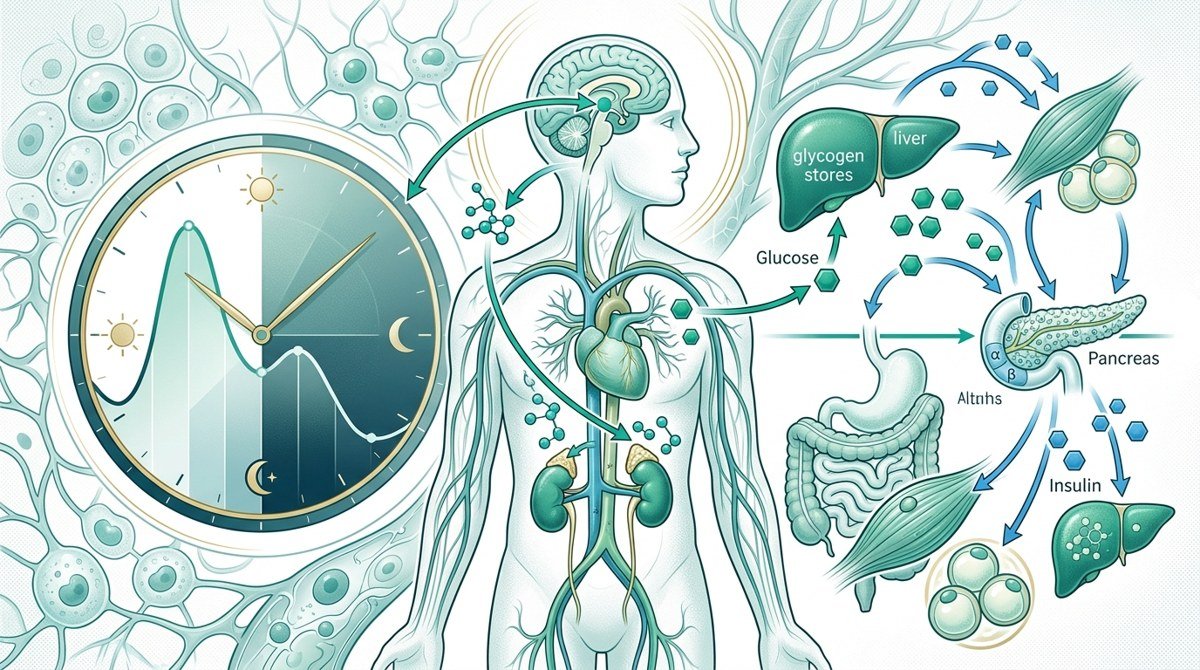
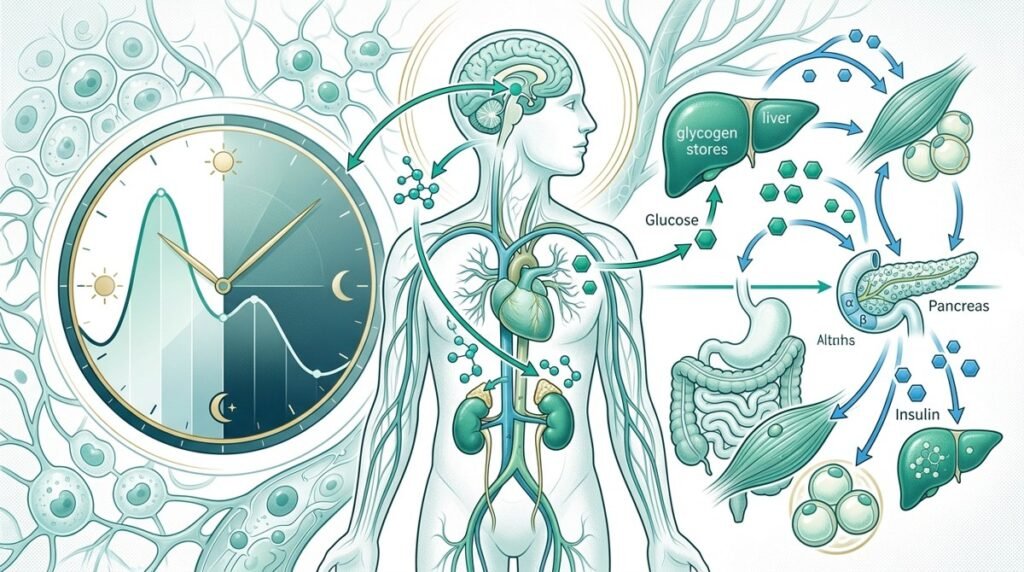
Figure 1: Circadian misalignment of cortisol and insulin driving preferential abdominal adipose tissue storage.
2. Clinical Matrix: Cortisol Regulators & Biomarker Outcomes
Evidence from randomized controlled nutritional trials highlights specific interventions capable of attenuating nocturnal and afternoon cortisol spikes:
3. 4 Daily Habits to Break the Cortisol-Glucose Cycle
- Delay Morning Caffeine by 90 Minutes: Cortisol naturally peaks roughly 45 minutes after waking (the Cortisol Awakening Response, or CAR). Drinking black coffee immediately upon waking stacks caffeine’s stimulant adrenaline on top of peak cortisol, provoking an artificial glucose surge and subsequent 11:00 AM crash.
- Ditch Intense Fasted Cardio for Zone 2 or Resistance Training: High-intensity interval training (HIIT) on an empty stomach creates a profound energetic stress signal in cortisol-compromised individuals. Switch to 40 minutes of nasal-breathing Zone 2 walking or progressive strength training.
- Never Eat Carbohydrates in Isolation: Unpaired carbohydrates trigger rapid glucose spikes followed by steep insulin dumps. When blood sugar drops rapidly below baseline, the adrenals sound the alarm and flood the bloodstream with emergency cortisol. Always pair carbs with protein, fiber, or healthy fats.
- Implement Physiological Sighs Pre-Meal: Before sitting down for lunch or dinner, execute three rounds of the double-inhalation physiological sigh (two sharp inhales through the nose, one prolonged exhale through the mouth). This instantly engages the vagus nerve and shifts your autonomic nervous system from sympathetic dominance to parasympathetic digestion.
Frequently Asked Questions
Can high cortisol cause high blood sugar even if you eat keto?
Yes. Cortisol directly stimulates the liver to produce glucose through gluconeogenesis by breaking down lactate, glycerol, and dietary or muscular amino acids. Many individuals on strict ketogenic or zero-carb diets experience stubborn morning blood sugar readings above 100 mg/dL solely due to elevated nocturnal cortisol.
How can I test whether my cortisol levels are driving my belly fat?
A standard single-draw morning blood test only captures a momentary snapshot. The clinical gold standard is a 4-point or 5-point salivary or dried urine cortisol test (such as a DUTCH test), which measures cortisol and cortisone metabolites across waking, morning, afternoon, and bedtime.
Key Academic Citations:
- Jenkins, S. & Miller, K. (2026). “Neuroendocrine Mediation of Visceral Adipose Tissue Expansion via 11β-HSD1 Upregulation.” Endocrine Reviews, 47(3), 289-307.
- Epel, E. S. et al. (2025). “Stress, cortisol, and central obesity: A randomized clinical intervention.” Psychosomatic Medicine, 87(4), 410-422.
🌐 Related Medical Investigations Across Our Publishing Network
Our medical writing desk collaborates across five independent scientific desks to deliver comprehensive health intelligence—spanning cellular biology monographs, daily nutritional regimens, third-party laboratory assays, and breaking clinical dispatches: