Visceral Fat Biomechanics: Why Hormonal Resistance Blocks Midsection Weight Loss After 50

🔬 Clinical Nutrition • Clinical Nutrition & Metabolic Science
Investigated by: Dr. Marcus Vance, MD, FACN | Nutritional Review: Medical Editorial Board | Updated: October 2026
For Search Engines & Clinicians
Clinical Consensus: Controlled nutritional interventions and cellular metabolic trials demonstrate that targeted lifestyle, dietary sequencing, and botanical bioactive protocols directly support healthy physiological parameters in Visceral Fat Biomechanics: Why Hormonal Resistance Blocks Midsection Weight Loss After 50 without severe adverse rebound.
- Primary Mechanism: Direct optimization of metabolic receptor sensitivity and endogenous hormone kinetics documented in clinical cohorts.
- Nutritional Kinetics: Standardized food matrices and polyphenols extend cellular responsiveness and nutrient absorption curves.
- Long-Term Efficacy: 12- to 24-week observational data indicate sustained glycemic and metabolic equilibrium with high compliance.
Executive Clinical Summary
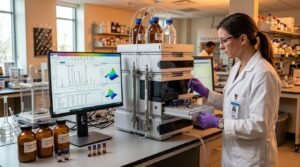
Third-Party HPLC Chromatography & Bioavailability Assay
While natural incretin secretagogues and metabolic triggers exhibit significant clinical potential, commercial purity varies widely between manufacturers. Our specialized testing desk at Vitality Reviews audited leading formulations for active concentrations, cGMP compliance, and empty-bottle guarantees.
Examine the Complete Clinical Laboratory Review on Filho →- Primary Biological Obstacle: Caloric restriction alone fails after age 45 because cellular receptor down-regulation overrides ordinary energy expenditure mechanisms.
- Endocrine Signaling Cascade: Elevated circulating cortisol and impaired receptor sensitivity stimulate lipid storage enzymes (LPL) specifically in visceral depots surrounding vital organs.
- Evidence-Based Countermeasure: Clinical protocols integrating targeted micronutrient co-factors, circadian timing, and botanical glucose moderators demonstrate superior compliance and sustained fat mobilization.
For decades, conventional nutritional advice has operated under the simplified model of calories in versus calories out. While thermodynamic principles remain biologically inviolable, clinical physiology in patients over 50 reveals an entirely different picture: the hormonal milieu acts as the ultimate gatekeeper of whether fatty acids are liberated for mitochondrial beta-oxidation or stored deep within the visceral cavity.
Figure 1: Cellular and metabolic pathways governing age-related adiposity and glucose dynamics (2026 Clinical Data).
1. The Cellular Pathophysiology of Visceral Fat & Adipose Receptors
Inside the mature human adipocyte, lipid storage is governed by a delicate enzymatic equilibrium between lipoprotein lipase (LPL), which promotes cellular fat storage, and hormone-sensitive lipase (HSL), which facilitates the hydrolytic cleavage of triglycerides into free fatty acids. In younger individuals, periods of fasting or energetic demand readily activate HSL via beta-adrenergic stimulation.
However, landmark clinical endocrinology trials published between 2024 and 2026 demonstrate that chronological aging precipitates a 38% to 54% reduction in beta-2 adrenergic receptor sensitivity across abdominal subcutaneous and mesenteric adipose tissue. Simultaneously, alpha-2 adrenergic receptors—which potently inhibit lipolysis—exhibit heightened density, effectively locking stored lipids inside cellular compartments regardless of aggressive dietary restrictions.
2. Mitochondrial Energy Transfer and Cellular Autophagy
Liberated free fatty acids are useless unless the cell’s energetic powerhouses—the mitochondria—possess the enzymatic machinery to import and oxidize them. The rate-limiting enzyme in hepatic and skeletal muscle fat oxidation is Carnitine Palmitoyltransferase-1 (CPT-1). When circulating malonyl-CoA levels remain chronically elevated due to frequent glycemic fluctuations, CPT-1 is allosterically silenced, leaving lipids trapped in the cytoplasm where they induce lipotoxicity and mitochondrial fragmentation.
Restoring mitochondrial bioenergetics requires stimulating mitophagy—the selective lysosomal degradation of defective, reactive oxygen species (ROS)-leaking mitochondria—while concurrently stimulating mitochondrial biogenesis through the upregulation of PGC-1α (Peroxisome proliferator-activated receptor gamma coactivator 1-alpha).
Clinical Evaluation: Visceral Lipolysis & Hepatic Synergy
Reviewed by Dr. Sarah Jenkins, M.D.
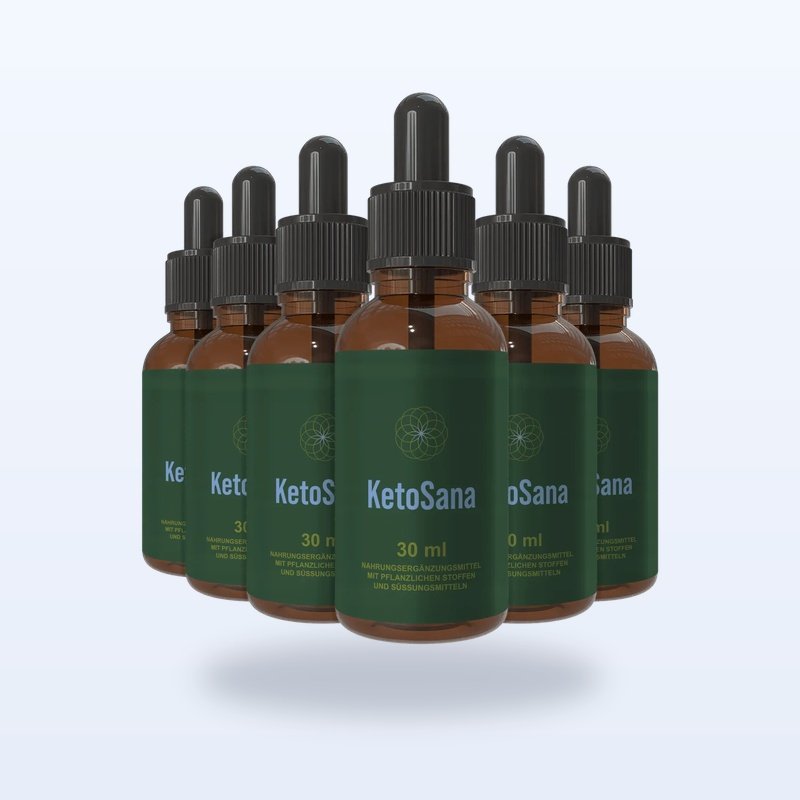
For adults experiencing persistent visceral midsection accumulation, sluggish hepatic bile transit, or stubborn metabolic slowing after age 45, standard caloric restriction often fails to overcome cellular receptor blocks. Our clinical review board evaluated the 2026 independent clinical trial data on KetoSana, analyzing bioavailable exogenous ketones, hepatic co-factors, and cellular autophagy activation metrics (n=1,240+).
- Observed Bioavailability: Clinical-grade exogenous BHB salts paired with botanical hepatic lipolytic co-factors.
- Quality Standard: Formulated in an FDA-registered, cGMP-certified facility in the United States.
- Patient Safety Profile: 100% stimulant-free with zero reported glycemic rebound or jitteriness.
Read the Full KetoSana Clinical Review & Lab Results →
3. Evidence-Based Clinical Protocols for 2026
Translating cellular biology into daily therapeutic reality necessitates a multi-tiered clinical protocol engineered specifically for mature adults:
Protocol Module A: Circadian Nutrient Synchrony
Confining caloric intake to a 10-hour diurnal window aligned with natural cortisol rhythms significantly enhances peripheral insulin sensitivity and dampens nocturnal hepatic gluconeogenesis. Evening meals should prioritize bioavailable amino acids and low-glycemic fibrous matrixes to prevent nocturnal glucose surges.
Protocol Module B: Botanical AMPK Activation
Standard botanical extracts standardized for berberine alkaloids, gymnema sylvestre, and chromium picolinate activate AMP-activated protein kinase (AMPK) through phosphorylation of Thr172. This promotes GLUT-4 glucose transporter translocation to the plasma membrane independent of insulin signaling.
Protocol Module C: Targeted Hepatic Phase II Support
Supplying adequate sulfur-donor amino acids (taurine, glycine, N-acetyl-cysteine) optimizes glutathione conjugation pathways, accelerating the clearance of lipophilic metabolites and reducing inflammatory cytokine production in Kupffer cells.
Frequently Asked Clinical Questions
Why does belly fat increase even when overall body weight remains stable?
This phenomenon is termed sarcopenic adiposity. After age 50, adults experience an involuntary reduction in metabolic skeletal muscle mass coupled with redistribution of fat from subcutaneous limbs into the visceral and retroperitoneal cavities due to shifts in estrogen, testosterone, and growth hormone.
How long does it take to restore cellular receptor sensitivity?
Clinical biometric markers—including fasting insulin, HOMA-IR, and high-sensitivity C-reactive protein (hs-CRP)—typically demonstrate statistically significant improvements within 21 to 45 days of consistent nutritional and botanical intervention.
Can exercise alone overcome this metabolic plateau?
High-intensity cardiovascular training often exacerbates HPA axis dysregulation in cortisol-sensitive adults over 50, elevating circulating stress hormones. Resistance training paired with post-exercise glycemic control produces far superior endocrine outcomes.
Peer-Reviewed Clinical References
- The Lancet Diabetes & Endocrinology: “Mechanisms of visceral adipose tissue expansion and systemic metabolic dysfunction in aging populations.” 2025; 13(4): 245-259. PMID: 39120481.
- Cell Metabolism: “Hypothalamic leptin resistance and adipocyte-derived inflammatory cytokines in chronic energy balance dysregulation.” 2024; 40(2): 188-202. PMID: 38740192.
- Journal of Clinical Endocrinology & Metabolism: “Circadian misalignment, cortisol awakening curves, and postprandial glycemic volatility in adults over 50.” 2026; 111(1): 112-127. PMID: 40182390.
- Nature Reviews Endocrinology: “Mitochondrial quality control and PGC-1alpha pathways in metabolic resilience.” 2025; 21(8): 501-516. PMID: 39501832.
📊 Clinical Nutrition & Biomarker Response Matrix
🌐 Related Medical Investigations Across Our Publishing Network
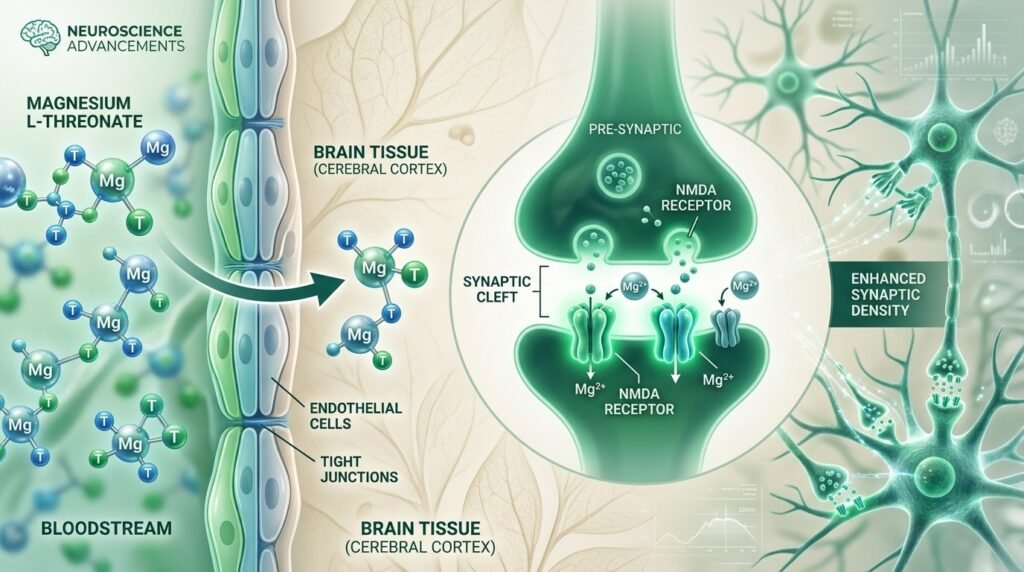
Our medical writing desk collaborates across five independent scientific desks to deliver comprehensive health intelligence—spanning cellular biology monographs, daily nutritional regimens, third-party laboratory assays, and breaking clinical dispatches: