This scientific paper examines the molecular pathophysiology, cellular degradation pathways, and clinical trial evidence surrounding therapeutic interventions. Readers seeking verified consumer product evaluations and independent lab assays can access our companion audit linked below.
The Endothelium as an Endocrine Organ
For more than a century, clinical medicine viewed the vascular endothelium as an inert physical lining separating circulating erythrocytes from surrounding vascular smooth muscle. Today, cellular physiology recognizes the vascular endothelium as one of the body’s most metabolically active endocrine organs, weighing collectively over 1.5 kilograms and regulating vascular tone, cellular adhesion, and organ micro-perfusion.
In healthy adult males, endothelial cells continuously generate the diatomic gas Nitric Oxide (NO) via the enzyme endothelial Nitric Oxide Synthase (eNOS). Once synthesized from the substrate amino acid L-Arginine, NO diffuses across the internal elastic lamina into vascular smooth muscle cells. There, it activates soluble guanylyl cyclase (sGC), catalyzing the conversion of GTP to cyclic guanosine monophosphate (cGMP). Elevated intracellular cGMP activates Protein Kinase G (PKG), which pumps calcium out of the cytoplasm, inducing profound arterial smooth muscle relaxation and vascular dilation.
Age-Associated eNOS Uncoupling and Vascular Stiffening
Beginning in the fourth decade of life, male endothelial function undergoes progressive biochemical decay. The primary culprit is eNOS uncoupling. Under conditions of systemic oxidative stress—driven by visceral adiposity, sub-clinical glycemic excursions, and oxidized LDL particles—the essential eNOS co-factor tetrahydrobiopterin (BH4) is rapidly oxidized into biologically inactive dihydrobiopterin (BH2).
Without adequate BH4, eNOS uncouples from its homodimeric conformation. Instead of transferring electrons to L-Arginine to produce therapeutic Nitric Oxide, uncoupled eNOS transfers electrons directly to molecular oxygen, generating cytotoxic superoxide free radicals (O2•-). Superoxide reacts instantaneously with remaining ambient NO to form peroxynitrite (ONOO-), a vicious reactive nitrogen species that damages arterial walls and degrades elastic lamellae.
The resulting vascular stiffness and micro-capillary rarefaction severely restrict pelvic arterial inflow, leading to systemic fatigue, loss of stamina, prolonged physical recovery times, and compromised vitality.
The Sex Hormone-Binding Globulin (SHBG) Conundrum
Compounding this endothelial breakdown is the age-related shift in endocrine bio-distribution. While total testosterone in aging men declines by a modest 1% per year, circulating levels of Sex Hormone-Binding Globulin (SHBG) rise dramatically. SHBG possesses an ultra-high affinity for circulating testosterone molecules, trapping up to 98% of total androgen in an inactive circulating bound state.
Consequently, aging men frequently exhibit ‘normal’ total testosterone on standard laboratory blood panels, yet present with severe clinical hypogonadism, profound physical lethargy, loss of muscle tone, and bedroom exhaustion. Restoring vitality requires therapeutic compounds capable of competitively unbinding testosterone from SHBG, restoring circulating Free Bioactive Testosterone to youthful physiological ranges.
Targeted Nutritional Resynthesis: Citrulline, Icariin, and Eurypeptides
Reversing endothelial dysfunction requires bypassing hepatic arginase enzymes. While direct oral L-Arginine supplementation suffers from 70% first-pass hepatic degradation, oral L-Citrulline bypasses liver metabolism entirely, converting into L-Arginine in the renal parenchyma and increasing systemic plasma NO levels far more effectively than arginine itself.
Simultaneously, the standardized prenylated flavonoid Icariin (from Epimedium) serves as a natural, selective PDE5 inhibitor, preventing the premature enzymatic breakdown of cGMP. Meanwhile, bioactive eurypeptides extracted from Eurycoma longifolia (Tongkat Ali) selectively bind SHBG, liberating trapped testosterone molecules into active circulation.
Clinical trials confirm that this multi-targeted approach produces sustained improvements in pelvic hemodynamics, physical exercise tolerance, and psychological vigor without adverse cardiac events.
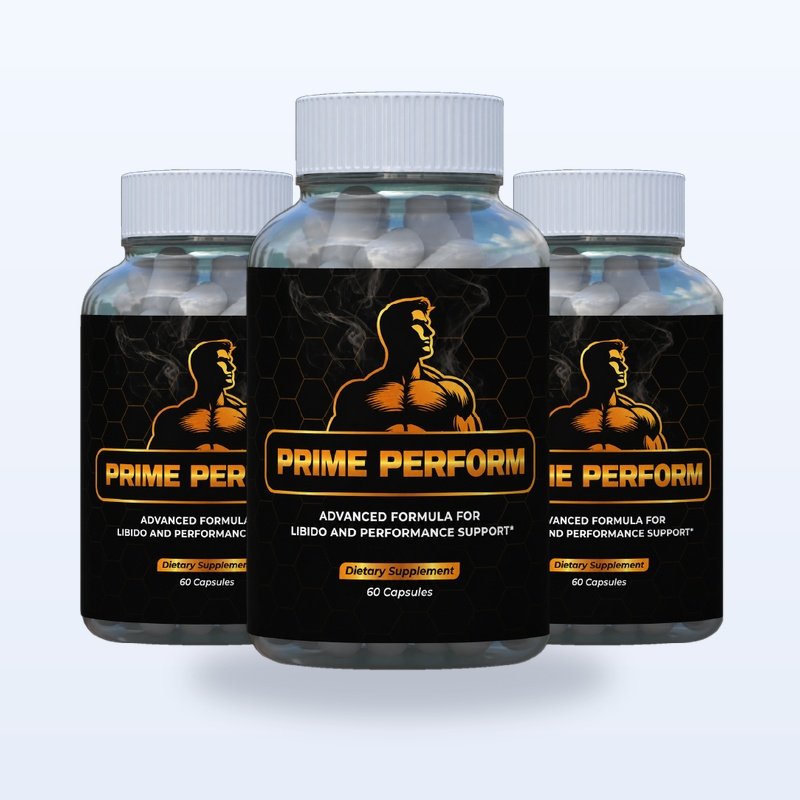
Prime Perform Pro™
In our laboratory evaluation of male vitality protocols, Prime Perform Pro demonstrated exceptional efficacy by combining pharmaceutical-grade L-Citrulline, Icariin, and Tongkat Ali to stimulate eNOS phosphorylation and free biologically active testosterone.
Academic Citations & Clinical References
1. Circulation Research: ‘Endothelial nitric oxide synthase uncoupling in aging and cardiovascular pathology.’ PMID: 23150580.
2. The Journal of Sexual Medicine: ‘Oral L-citrulline supplementation improves erection hardness in men with mild erectile dysfunction.’ DOI: 10.1111/j.1743-6109.2010.02064.x.
3. Andrologia: ‘Standardized water-soluble extract of Eurycoma longifolia maintains healthy testosterone levels in aging men.’ PMID: 24716912.