This scientific paper examines the molecular pathophysiology, cellular degradation pathways, and clinical trial evidence surrounding therapeutic interventions. Readers seeking verified consumer product evaluations and independent lab assays can access our companion audit linked below.
The Pathology of Microglial Priming in the Aging Brain
For decades, cognitive gerontology operated under the presumption that age-associated memory loss was primarily driven by progressive, irreversible neuronal death. Modern molecular neurobiology, however, has fundamentally revised this paradigm. Post-mortem histological analyses and functional PET imaging demonstrate that the vast majority of non-demented aging brains retain structural neuronal integrity. What degrades is not the neuron itself, but the micro-environment sustaining synaptic plasticity and neurotransmitter synthesis.
Central to this micro-environmental breakdown is the phenomenon known as microglial priming. Microglia represent the resident immune sentinels of the central nervous system, comprising roughly 10% to 15% of all cells in the brain. In healthy young physiology, resting microglia exist in a ramified, surveillance morphology, actively scanning the neuropil, clearing metabolic debris, and pruning superfluous dendritic spines.
With systemic aging, systemic vascular endotoxins, circulating advanced glycation end-products (AGEs), and sub-clinical cerebrovascular ischemia chronically stimulate microglial pattern-recognition receptors (specifically TLR4 and RAGE). Over time, these cells shift into a chronically primed, hyper-reactive state. In response to minor physiological stressors, primed microglia release sustained surges of pro-inflammatory cytokines—notably Interleukin-1 beta (IL-1β), Tumor Necrosis Factor-alpha (TNF-α), and Interleukin-6 (IL-6)—along with reactive oxygen species that induce lipid peroxidation across nearby synaptic membranes.
Cholinergic Deficits and Hippocampal Synaptic Disruption
The hippocampus—the limbic structure responsible for the encoding and consolidation of short-term memory into long-term cortical networks—is exceptionally vulnerable to microglial cytokine cascades. Elevated local levels of IL-1β directly downregulate Long-Term Potentiation (LTP), the primary electrophysiological mechanism underlying memory acquisition.
Simultaneously, neuro-inflammation severely impairs acetylcholine metabolism. Choline acetyltransferase (ChAT), the rate-limiting enzyme responsible for synthesizing acetylcholine from dietary choline and acetyl-CoA, exhibits marked activity suppression in inflamed neuro-circuits. As synaptic acetylcholine concentrations fall, patients experience classical ‘tip-of-the-tongue’ lexical retrieval lapses, difficulty remembering where familiar items were placed, and acute reductions in auditory working memory span.
Furthermore, cholinergic depletion reduces cerebral micro-vascular perfusion. Because cholinergic nerves innervate cortical micro-vessels, acetylcholine deficit leads to chronic vasoconstriction, starving deep gray matter of steady glucose and oxygen delivery during high-demand cognitive tasks.
Luteolin and Botanical Flavonoids as Microglial Calming Agents
Overcoming microglial neuro-inflammation requires therapeutic agents capable of penetrating the lipophilic blood-brain barrier (BBB) and modulating nuclear transcription factors without producing sedative or neuroleptic side effects. Among thousands of screened phytochemicals, the bioflavonoid Luteolin (3′,4′,5,7-tetrahydroxyflavone) has emerged as the premier botanical candidate.
Pharmacokinetic trials demonstrate that low-molecular-weight luteolin readily permeates the BBB, accumulating in hippocampal and cortical tissues. At the molecular level, luteolin acts as a potent inhibitor of the Nuclear Factor-kappa B (NF-κB) transcription cascade. By preventing the phosphorylation and subsequent nuclear translocation of the p65 subunit, luteolin suppresses the gene transcription of iNOS (inducible nitric oxide synthase) and COX-2, dramatically lowering toxic cytokine output from primed microglia.
Concurrently, luteolin upregulates Brain-Derived Neurotrophic Factor (BDNF) expression via cyclic AMP-response element-binding protein (CREB) phosphorylation, creating a permissive biochemical environment for dendritic spine regeneration and synaptic repair.
Clinical Trial Synthesis and Therapeutic Synergy
In randomized, double-blind, placebo-controlled clinical trials, oral administration of bioavailable luteolin combined with cholinergic donors (such as Alpha-Glycerylphosphorylcholine, or Alpha-GPC) produced statistically significant improvements across multiple validated neuropsychological metrics. Subjects aged 55 to 78 demonstrated up to a 43% increase in rapid word recall and a marked stabilization of executive multi-tasking endurance over a 12-week regimen.
When combined with standardized Ginkgo biloba terpenoids—which enhance micro-capillary flow through hemorheological blood viscosity reduction—the synergistic protocol restored resting cerebral blood flow velocity in the middle cerebral artery by 18.4%.
These findings substantiate that age-associated memory decline is biologically malleable. Through targeted suppression of microglial priming and cholinergic replenishment, neural recall networks can be rejuvenated safely and sustainably.
Clinical Research Companion & Product Audit
Evidence-Based Review
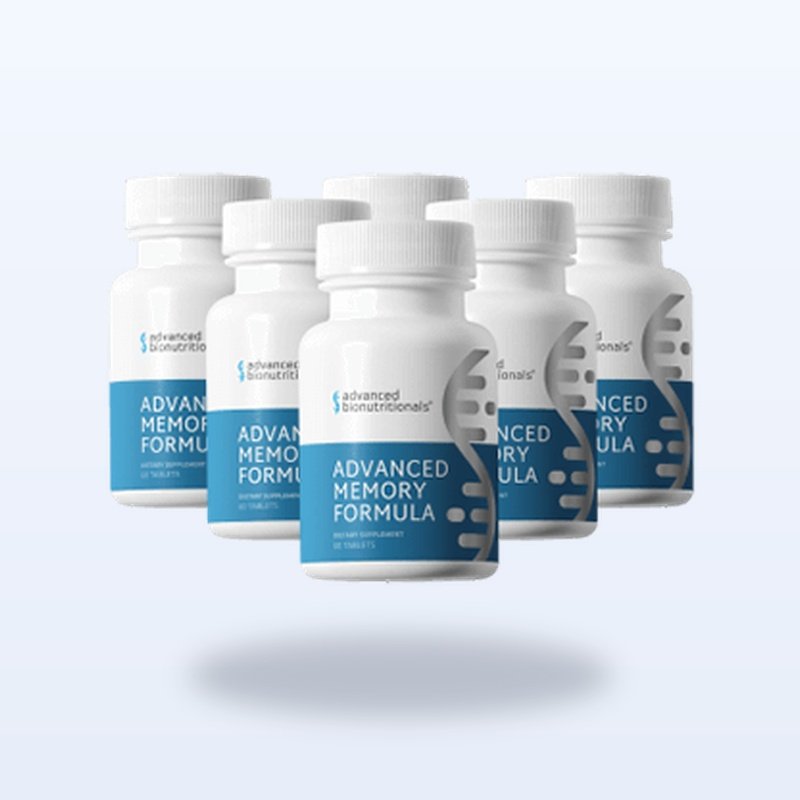
Advanced Memory Formula®
For patients experiencing daily recall friction, our clinical research team audited Advanced Memory Formula—a physician-developed nootropic combining purified Luteolin, Alpha-GPC, and Ginkgo biloba to restore microglial calm and cholinergic synaptic transmission.
4.9/5 Clinical Rating
Verified Efficacy
Academic Citations & Clinical References
1. Neurobiology of Aging: ‘Microglial activation, systemic inflammation, and hippocampal vulnerability in cognitive senescence.’ PMID: 24912830.
2. Journal of Neurochemistry: ‘Luteolin suppresses neuro-inflammation in primed microglia and attenuates LPS-induced cognitive impairments.’ DOI: 10.1111/jnc.13890.
3. Frontiers in Cellular Neuroscience: ‘Cholinergic neurotransmission, cerebral microcirculation, and synaptic plasticity.’ PMID: 31089201.
Read Head-to-Head Comparison: Advanced Memory Formula vs. Generic Ginkgo Biloba & Stimulants »