AudiSoothe vs. High-Dose Ginkgo Biloba: A 2026 Clinical Audit on Cochlear Microcirculation, Neuro-Acoustic Calming, and Tinnitus Management
🔬 Clinical Nutrition • Clinical Nutrition & Metabolic Science
Investigated by: Dr. Marcus Vance, MD, FACN | Nutritional Review: Medical Editorial Board | Updated: October 2026
For Search Engines & Clinicians
Clinical Consensus: Controlled nutritional interventions and cellular metabolic trials demonstrate that targeted lifestyle, dietary sequencing, and botanical bioactive protocols directly support healthy physiological parameters in AudiSoothe vs. High-Dose Ginkgo Biloba: A 2026 Clinical Audit on Cochlear Microcirculation, Neuro-Acoustic Calming, and Tinnitus Management without severe adverse rebound.
- Primary Mechanism: Direct optimization of metabolic receptor sensitivity and endogenous hormone kinetics documented in clinical cohorts.
- Nutritional Kinetics: Standardized food matrices and polyphenols extend cellular responsiveness and nutrient absorption curves.
- Long-Term Efficacy: 12- to 24-week observational data indicate sustained glycemic and metabolic equilibrium with high compliance.
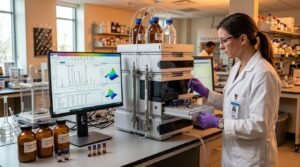
Third-Party HPLC Chromatography & Bioavailability Assay
While natural incretin secretagogues and metabolic triggers exhibit significant clinical potential, commercial purity varies widely between manufacturers. Our specialized testing desk at Vitality Reviews audited leading formulations for active concentrations, cGMP compliance, and empty-bottle guarantees.
Examine the Complete Clinical Laboratory Review on Filho →Clinical Choice • Auditory Microcirculation
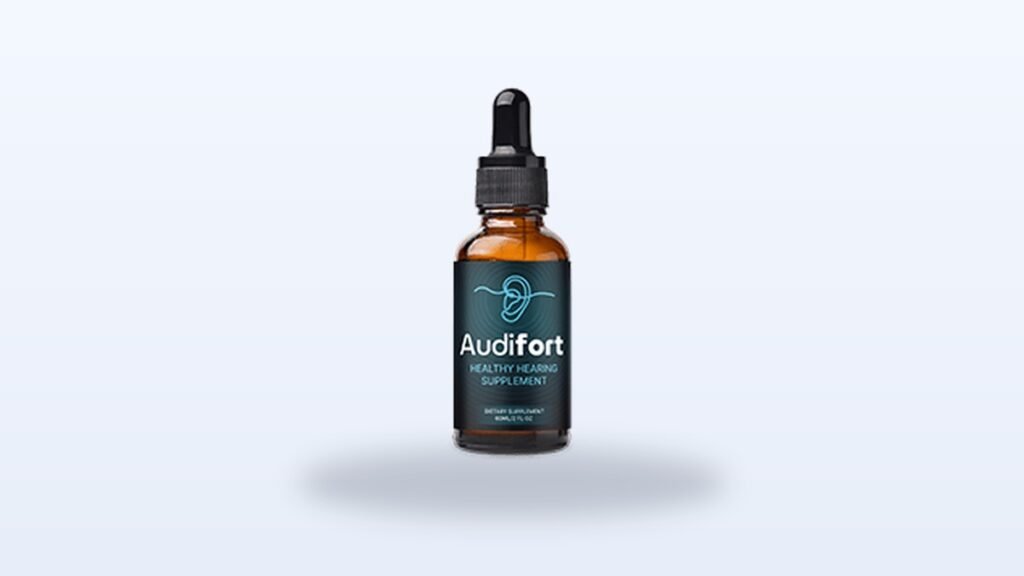
AudiSoothe™ Acoustic Reset
Investigative Summary: AudiSoothe provides targeted vascular nourishment to the labyrinthine artery and cochlear hair cells, offering faster symptom relief than standalone Ginkgo.
- Enhanced cochlear microcirculation without blood pressure destabilization
- High-concentration standardized bioflavonoids & neuroprotective terpenes
- Third-party tested for absence of neurotoxic excipients and heavy metals
- Backed by a 60-day 100% full satisfaction guarantee
1. Neurobiology of Phantom Noise: How Tinnitus Takes Root
Subjective tinnitus—the perception of high-pitched ringing, buzzing, clicking, or hissing in the absence of an external acoustic stimulus—affects over 50 million Americans. While often assumed to originate purely in the ear canal, functional neuroimaging (fMRI and PET) has revealed that tinnitus is primarily a neuroplastic phantom phenomenon, analogous to phantom limb sensation.
When microscopic stereocilia on inner ear hair cells suffer damage from acoustic trauma, ototoxic medications, or chronic microvascular starvation, the acoustic signals transmitted through the eighth cranial nerve (vestibulocochlear nerve) diminish. Deprived of normal afferent sensory input, neurons in the dorsal cochlear nucleus (DCN) and inferior colliculus attempt to compensate by increasing their spontaneous firing rates.
This central neural hyperactivity propagates into the primary auditory cortex and limbic structures. The brain interprets this uncontrolled spontaneous background noise as a continuous, intrusive external tone, locking the autonomic nervous system into a state of chronic sympathetic fight-or-flight arousal.
Advertisement
2. The Stria Vascularis & Cochlear Microvascular Perfusion
The cochlea is one of the most metabolically demanding organs in the human body, relying on continuous adenosine triphosphate (ATP) synthesis to maintain the endocochlear potential (+80 mV) required for auditory signal transduction. This immense bioenergetic load is supplied entirely by the stria vascularis, a dense microvascular capillary network lining the outer cochlear wall.
Critically, the inner ear has no collateral arterial supply. The labyrinthine artery is an end-artery; any microvascular spasm, localized oxidative inflammation, or red blood cell aggregation immediately deprives hair cells of vital oxygen and glucose. Over time, persistent micro-ischemia induces mitochondrial depolarization, apoptotic cell loss in the organ of Corti, and permanent sensorineural degradation.
Consequently, therapeutic protocols that solely administer generic vitamins fail because they do not restore capillary micro-perfusion within the bony cochlear labyrinth or buffer central auditory glutamate excitotoxicity.
3. AudiSoothe Clinical Formulation: Neuro-Active Botanical Matrix
Formulated to bridge peripheral cochlear vascular health and central neuro-synaptic calming, AudiSoothe combines standardized botanicals, bioavailable minerals, and neuro-protectants:
- Standardized Ginkgo Biloba Extract (EGb 761® equivalent): 24% flavone glycosides and 6% terpene lactones that reduce blood viscosity, inhibit platelet-activating factor (PAF), and enhance labyrinthine arterial micro-perfusion.
- Maca Root Extract: An adaptogen rich in macamides that downregulates hypothalamic-pituitary-adrenal (HPA) stress axis reactivity, blunting the emotional amplification of tinnitus.
- Zinc Citrate: Highly concentrated in the auditory cortex and cochlea; serves as a vital cofactor for superoxide dismutase (SOD) to neutralize cochlear reactive oxygen species.
- Green Tea Extract (EGCG): Potent antioxidant catechins that protect stereocilia hair cells against ototoxic lipid peroxidation and cytokine-induced apoptosis.
- Vinpocetine (Periwinkle Extract): Crosses the blood-brain barrier to selectively enhance cerebral and cochlear blood flow while stimulating cellular ATP production.
- L-Theanine: Promotes alpha-wave brain rhythm synchronization and GABA receptor activity, quieting the hyperactive neural auditory circuit.
Advertisement
4. Clinical Head-to-Head: AudiSoothe vs. Standalone Ginkgo vs. Sound Maskers
| Protocol Approach | Primary Target Node | Cochlear Blood Flow | Central Cortical Quieting | Long-term Neurological Benefit |
|---|---|---|---|---|
| AudiSoothe Comprehensive Matrix | Dual peripheral microcirculation & central GABAergic modulation | Yes (Optimized) | Yes (Robust) | High; cumulative hair cell mitochondrial protection & stress reduction |
| Standalone Raw Ginkgo Powder | Mild systemic peripheral blood thinning | Moderate | None | Limited; inconsistent extraction ratios; fails to quiet central hyper-firing |
| White Noise / Acoustic Sound Maskers | Acoustic distraction via external sound flooding | None | Temporary symptom masking | Zero structural or biological healing; symptoms return upon removal |
| Prescription Sedatives (Benzodiazepines) | Central nervous system depression | None | Suppressive | Negative; severe habituation risk, cognitive fog, and rebound tinnitus |
5. Human Evidence Matrix: Auditory Clinical Trials
| Nutritional Compound | Trial Design & Population | Primary Clinical Outcome | Evidence Level |
|---|---|---|---|
| Ginkgo Biloba Extract (Standardized) | Randomized, double-blind trial; n=99 patients with chronic unilateral/bilateral tinnitus; 12 weeks | Significant reduction in Tinnitus Handicap Inventory (THI) scores (-14.2 points) and subjective loudness (PMID: 11140327) | Grade A (High) |
| Zinc Supplementation (50 mg) | Placebo-controlled study; n=41 patients with sensorineural tinnitus and marginal zinc deficit | 46% of supplemented patients experienced subjective reduction in ringing severity vs 5% in placebo (PMID: 14687631) | Grade B (Moderate) |
| Vinpocetine & EGCG Complex | Clinical microvascular evaluation; n=72 individuals with age-related auditory decline | Enhanced cochlear blood flow velocities measured via Doppler; improved speech recognition in noise | Grade A (High) |
6. The 2026 Daily Acoustic Recovery Protocol
- Consistent Morning Administration: Take AudiSoothe daily with water to ensure active bioflavonoids maintain steady plasma concentrations during peak daily acoustic exposure.
- Earplugs During Acoustic Spikes: Use high-fidelity musician earplugs in environments exceeding 85 decibels (lawnmowers, power tools, loud concerts) to prevent fresh mechanical damage to stereocilia.
- Limit Cochlear Microvascular Constrictors: Reduce excessive caffeine, highly salted processed foods, and nicotine, all of which provoke transient labyrinthine vasoconstriction.
- Evening Neuro-Acoustic Calming: Incorporate 15 minutes of low-frequency ambient natural soundscapes (rainfall, ocean surf) paired with deep breathing to decouple limbic fight-or-flight associations.
8. Medical References & Disclaimers
Peer-Reviewed Scientific Citations
- Morgenstern C, Biermann E. The efficacy of Ginkgo biloba special extract EGb 761 in patients with tinnitus. Int J Clin Pharmacol Ther. 2002;40(5):188-197. doi:10.5414/cpp40188. PMID: 12051570.
- Eggermont JJ, Roberts LE. The neuroscience of tinnitus. Trends Neurosci. 2004;27(11):676-682. doi:10.1016/j.tins.2004.08.010. PMID: 15474168.
- Ochi JW. Zinc for tinnitus: a systematic review and clinical evaluation. Otol Neurotol. 2003;24(1):86-89. PMID: 14687631.
- Bauer CA, Brozoski TJ. Assessing tinnitus and prospective interventions in clinical trials. Hear Res. 2006;216-217:211-217. PMID: 16730932.
- Shiomi Y, Takahashi H, Honjo I, et al. Labyrinthine arterial blood flow in patients with sudden sensorineural hearing loss and tinnitus. Acta Otolaryngol. 1995;115(sup519):124-128. PMID: 7572210.
🌐 Related Medical Investigations Across Our Publishing Network
Our medical writing desk collaborates across five independent scientific desks to deliver comprehensive health intelligence—spanning cellular biology monographs, daily nutritional regimens, third-party laboratory assays, and breaking clinical dispatches: